
Is Coffee Bad for Gastritis? What I Learned the Hard Way
Permalink: /coffee-gastritis
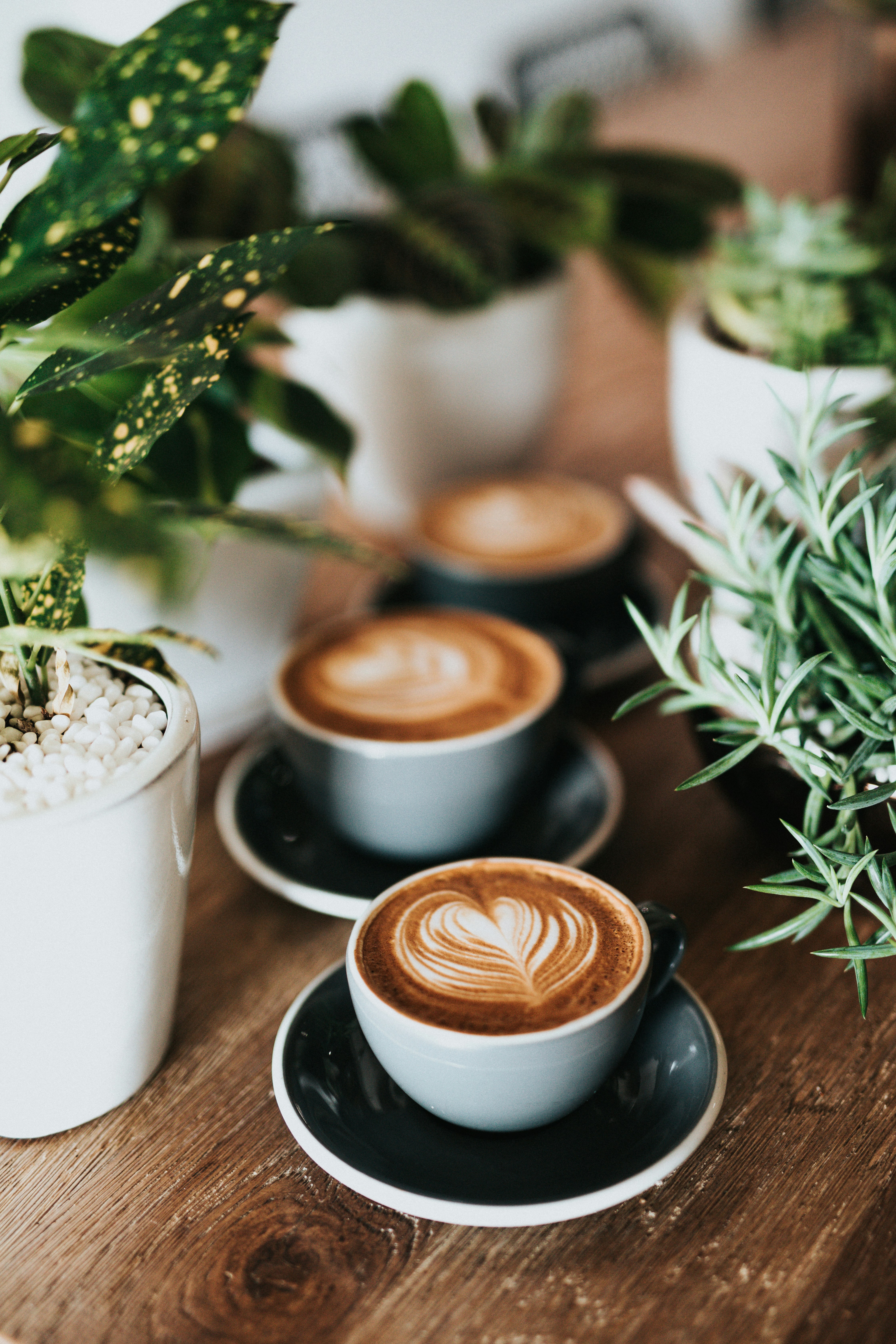
I used to start every morning with coffee. It felt harmless—almost necessary. But when I began dealing with gastritis, things changed fast.
At first, I didn’t connect the pain to coffee. The burning feeling, nausea, and discomfort seemed random. But over time, a pattern became clear. Every time I drank coffee on an empty stomach, my symptoms got worse.
If you're wondering whether coffee is bad for gastritis, the short answer is: it can be. But the full story is more nuanced—and understanding it can make a big difference in your recovery.
If you're dealing with gastritis, these guides may help you:
What Happens When You Drink Coffee with Gastritis?
Coffee stimulates stomach acid production. For a healthy stomach, this isn't usually a problem. But when your stomach lining is already inflamed, like in gastritis, that extra acid can irritate it further.
This often leads to:
- Burning stomach pain
- Nausea
- Acid reflux
- Bloating
I personally noticed that even a small cup could trigger symptoms, especially during flare-ups. It wasn’t just the caffeine—the acidity played a role too.
If your symptoms feel worse after eating, you might relate to this experience: symptoms that get worse after eating.
Is It the Caffeine or the Acidity?

This was something I struggled to understand at first.
Coffee affects gastritis in two main ways:
- Caffeine: increases acid production
- Acidity: directly irritates the stomach lining
Even decaf coffee can cause problems, which surprised me. That’s when I realized it wasn’t just about caffeine—it was the overall chemical composition of coffee.
My Personal Experience with Coffee and Gastritis
There was a time I tried to “push through” the discomfort. I thought my body would adjust. Instead, my symptoms got worse.
The turning point came during a bad flare-up. I had severe burning pain and nausea that lasted for hours. That day, I decided to completely stop coffee.
Within a week, my symptoms improved noticeably.
If you’re dealing with repeated flare-ups, this might sound familiar: gastritis flare-ups explained.
Can You Still Drink Coffee with Gastritis?
The honest answer: it depends on your condition.
Some people can tolerate small amounts, especially:
- After eating (never on an empty stomach)
- Low-acid coffee
- Cold brew (less acidic)
But during active gastritis, it’s usually best to avoid coffee completely.
If your gastritis is more severe, you should also understand: severe gastritis warning signs.
Plain oatmeal helped calm my stomach and kept me full without irritation.
symptoms that get worse after eating
This is especially important during flare-ups. Here's a complete breakdown of safe foods:
What to eat during a gastritis flare-up
Better Alternatives I Tried
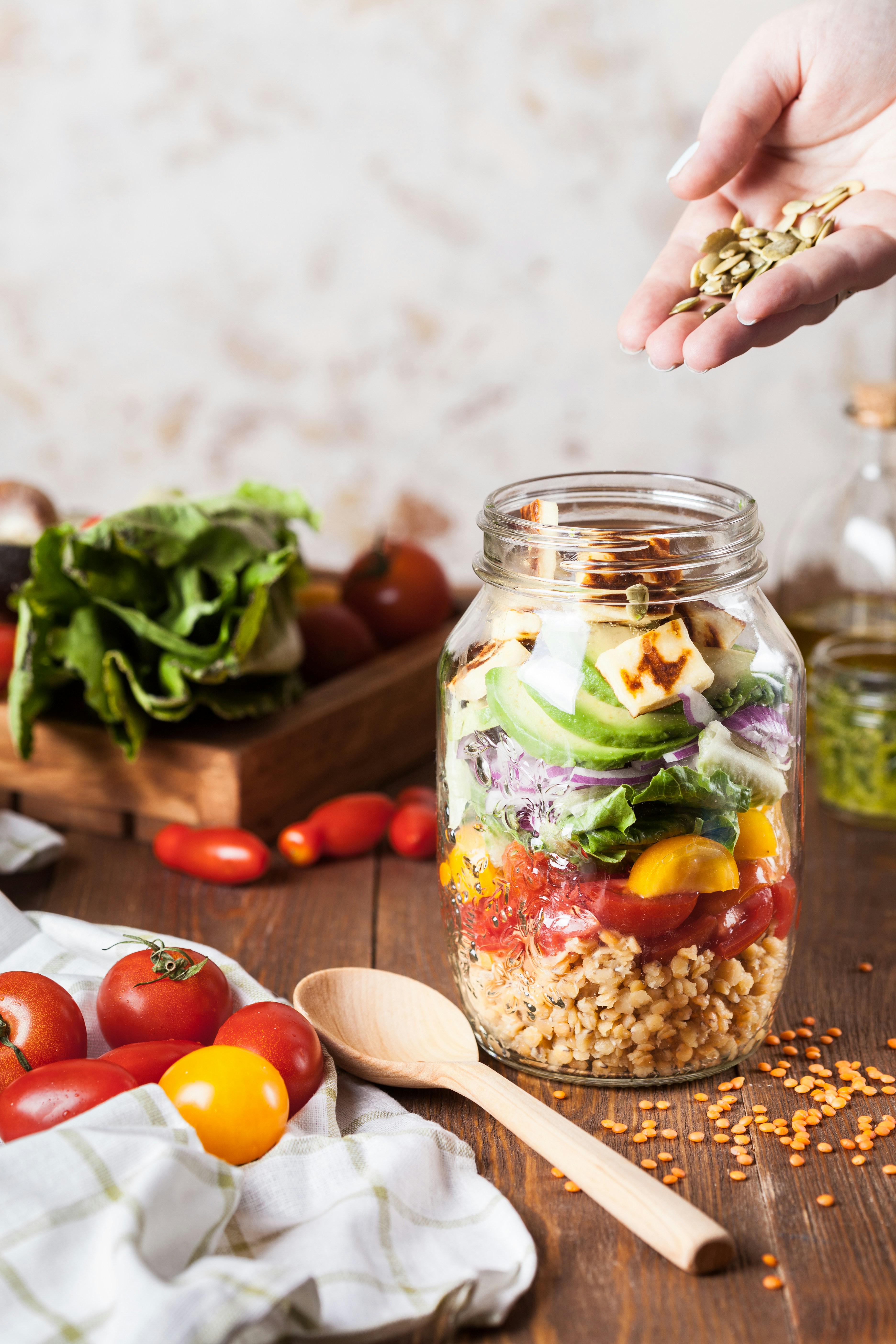
Giving up coffee wasn’t easy, but I found alternatives that helped:
- Chamomile tea
- Ginger tea
- Warm water with honey
These didn’t just replace coffee—they actually helped soothe my stomach.
If you’re struggling with nausea, this guide may help: nausea and gastritis.
When Coffee Makes Gastritis Worse
From experience, coffee is most harmful when:
- Drunk on an empty stomach
- Consumed frequently throughout the day
- Combined with stress
Stress itself can worsen gastritis significantly. I noticed that on stressful days, even a small amount of coffee triggered symptoms.
This connection is explained well here: can stress cause gastritis.
Should You Quit Coffee Completely?
In my case, quitting—at least temporarily—was the best decision.
After my symptoms improved, I slowly reintroduced small amounts. Even now, I’m careful. I never drink coffee on an empty stomach anymore.
If your symptoms are ongoing, it might help to understand the bigger picture: gastritis symptoms duration.
Final Thoughts
Coffee isn’t “bad” for everyone. But if you have gastritis, it can easily become a trigger.
Listening to your body is key. For me, cutting out coffee was a turning point in recovery.
If you're unsure, try eliminating it for a week and observe the changes. You might be surprised how much better you feel.
Medical Disclaimer
This content is for informational purposes only and is not a substitute for professional medical advice. Always consult a qualified healthcare provider regarding any medical condition.
Sources
Mayo Clinic
Cleveland Clinic
NCBI Research Database
Privacy Policy | Terms of Service | Contact | About the Author




No comments:
Post a Comment