
30. Gastritis Flare-Ups Explained: Why Your Symptoms Suddenly Get Worse
Gastritis symptoms do not always stay the same. Many people notice periods where their stomach feels almost normal, followed by sudden episodes of burning pain, nausea, or bloating. These episodes are commonly called gastritis flare-ups.
I personally experienced this pattern. For weeks my stomach felt manageable, then suddenly after a stressful week and a few spicy meals, the burning pain returned intensely. Understanding why these flare-ups happen helped me manage my symptoms much better.
If you're dealing with gastritis, these guides may help you:
What Is a Gastritis Flare-Up?
A gastritis flare-up is a period when inflammation in the stomach lining becomes more active. Symptoms may suddenly become stronger or more frequent.
Common flare-up symptoms include:
👉 Ultimate Guide to Gastritis- Burning pain in the upper abdomen
- Nausea or upset stomach
- Bloating after meals
- Loss of appetite
- Acidic taste in the mouth
Some people also notice symptoms similar to those explained in early mild gastritis symptoms you should watch before they get worse , but they become significantly stronger during flare-ups.
Why Gastritis Symptoms Come and Go
One confusing aspect of gastritis is that symptoms are not always constant. This happens because the stomach lining is sensitive to daily lifestyle factors.
Inflammation can temporarily worsen due to triggers such as:
- Stress
- Spicy or acidic foods
- Alcohol consumption
- Irregular eating schedules
- Certain medications
Some people notice that symptoms appear suddenly after meals, similar to the patterns explained here: why bloating happens after meals when you have gastritis .
Common Triggers of Gastritis Flare-Ups
Through personal experience and medical guidance, several triggers appear repeatedly among people with gastritis.
1. Stress
Stress is one of the most common triggers. When the body is under stress, stomach acid production can increase, irritating the stomach lining.
This is why many people notice symptoms worsening during busy or emotionally intense periods.
2. Spicy or Acidic Foods
Foods like chili, fried meals, coffee, and citrus fruits can irritate an already inflamed stomach.
Even if these foods were previously tolerated, they may trigger flare-ups during sensitive periods.
3. Skipping Meals
Going long periods without food can allow stomach acid to build up, which may worsen irritation.
4. Medications
Some medications, particularly NSAIDs such as ibuprofen, can irritate the stomach lining and trigger symptoms.
How Long Do Gastritis Flare-Ups Last?
The duration of a flare-up varies depending on the cause and severity of the inflammation.
For some people, symptoms last only a few hours. For others, they may continue for several days.
The timeline can vary widely, as explained here: how long gastritis flare-ups usually last and what affects recovery time .
What Helps Calm a Gastritis Flare-Up
During a flare-up, simple lifestyle adjustments can sometimes reduce irritation and allow the stomach lining to recover.
- Eat smaller meals
- Avoid spicy or acidic foods
- Reduce caffeine intake
- Drink plenty of water
- Manage stress levels
In my own case, switching to bland foods such as rice, bananas, and soup helped calm the burning sensation within a few days.
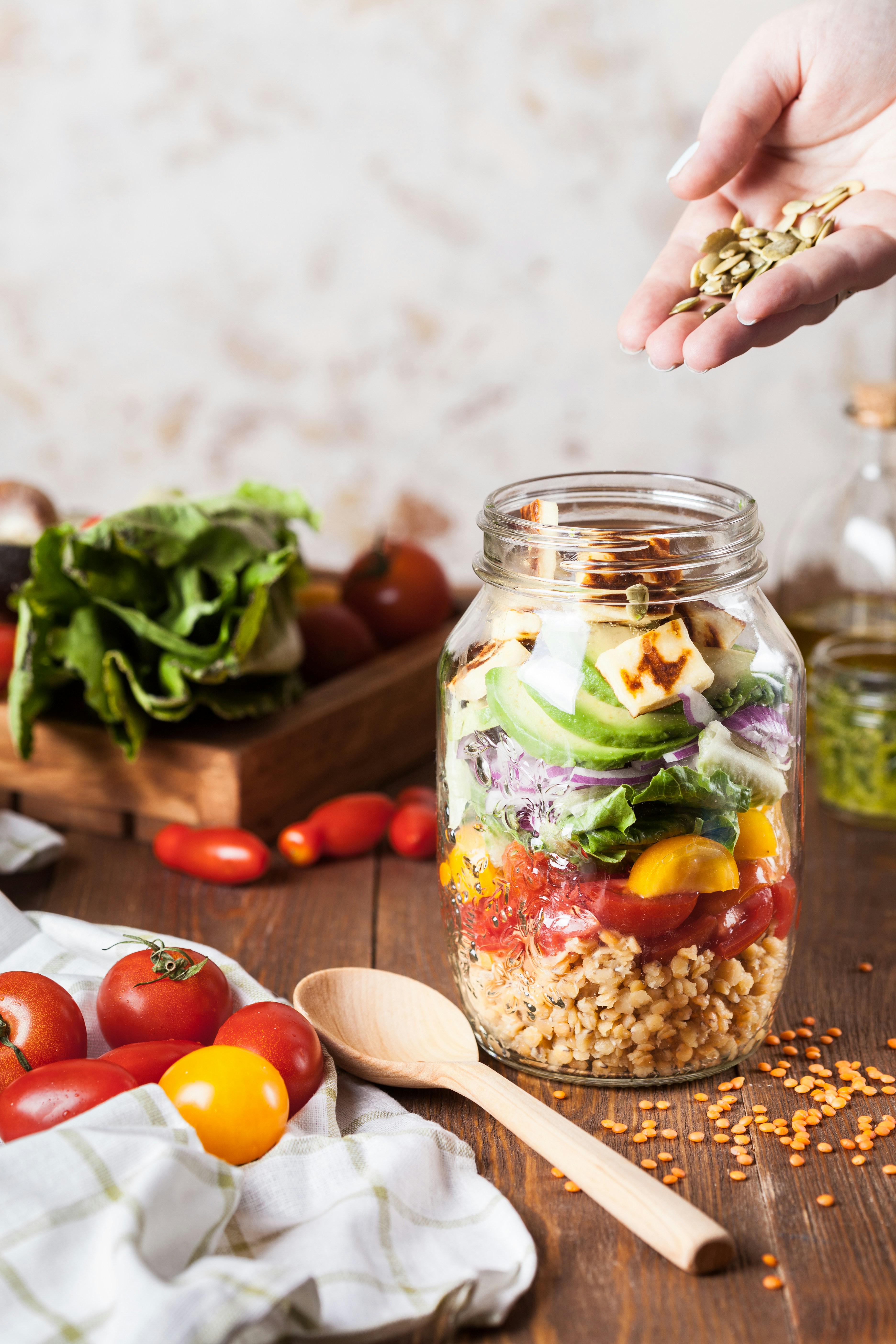
Plain oatmeal helped calm my stomach and kept me full without irritation.
symptoms that get worse after eating
This is especially important during flare-ups. Here's a complete breakdown of safe foods:
What to eat during a gastritis flare-up
When Gastritis Flare-Ups May Signal a Bigger Problem
While occasional flare-ups are common, certain symptoms may require medical evaluation.
Seek medical advice if you experience:
- Persistent vomiting
- Black or bloody stools
- Severe abdominal pain
- Unexplained weight loss
These symptoms could indicate complications that require professional care.
Final Thoughts
Gastritis flare-ups can feel frustrating, especially when symptoms seem unpredictable. However, understanding common triggers and maintaining consistent habits can significantly reduce their frequency.
For many people, identifying personal triggers such as stress, diet, or irregular meals is the key to managing gastritis long term.
Although flare-ups may still happen occasionally, the right lifestyle adjustments can help keep symptoms under control.
Medical Disclaimer
This article is for informational purposes only and does not constitute medical advice. Always consult a qualified healthcare professional regarding any medical condition.
Sources
official gastritis information from NIDDK medical research
peer-reviewed medical studies on gastritis from PubMed database
privacy policy for GutReliefHub website | terms of service and full medical disclaimer | contact the author for questions or feedback | about the author and personal experience with gastritis
📚 Complete Gastritis Resource Center
🔎 Symptoms & Pain Location
- where gastritis pain is felt and how to identify it clearly
- what upper abdominal discomfort means in gastritis
- can gastritis cause chest tightness and when it is serious
- why gastritis symptoms get worse at night
- why frequent burping happens with gastritis
- why gastritis causes loss of appetite
- why gastritis causes nausea and when to worry
- early warning signs of gastritis you should never ignore
⚡ Causes & Triggers
- most common causes of gastritis explained simply
- how medications can trigger gastritis symptoms
- how alcohol worsens gastritis and stomach inflammation
- can stress actually cause gastritis flare-ups
- daily habits that silently worsen gastritis symptoms
- how age increases the risk of gastritis
- can young adults develop gastritis and why it happens
📊 Types & Progression
- acute vs chronic gastritis differences explained clearly
- when gastritis becomes chronic and warning signs
- mild vs severe gastritis comparison and symptoms
- how gastritis develops inside the stomach step by step
- can gastritis exist without pain and still be dangerous




No comments:
Post a Comment