
Acute vs Chronic Gastritis Explained Simply

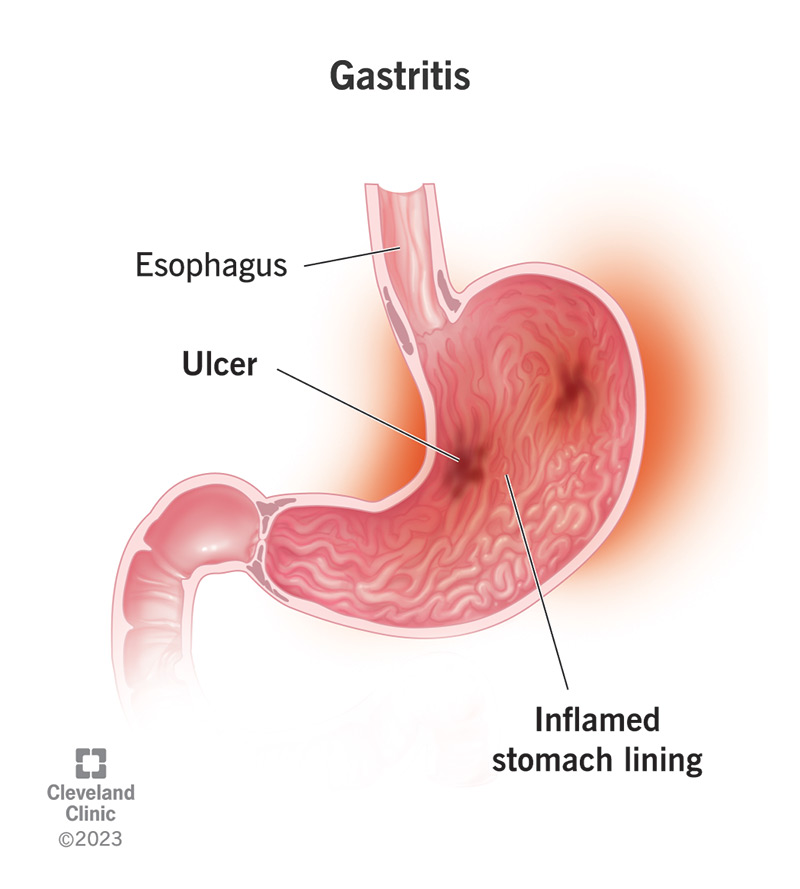
When I first heard the words acute gastritis and chronic gastritis, I assumed chronic meant “serious” and acute meant “mild.” That’s not exactly true.
The real difference comes down to how fast it starts, how long it lasts, and what’s causing the inflammation inside the stomach lining.
In this guide, I’ll explain both types clearly and simply so you can understand what doctors mean and when it’s time to seek medical care.
What Is Gastritis, in Simple Terms?
Gastritis means inflammation of the stomach lining.
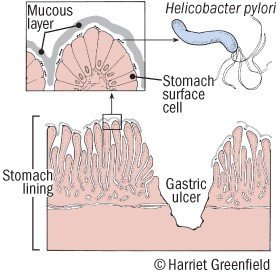
Your stomach produces strong acid to digest food. Normally, a protective mucus layer shields the stomach wall from damage. When that protection weakens, irritation and inflammation can occur.
If you haven’t read the basics yet, start here:
What Is Gastritis? A Beginner-Friendly Guide
Acute Gastritis: Sudden and Short-Term
Acute gastritis develops quickly. Symptoms may appear within hours or days.
Common triggers
- Heavy alcohol use
- NSAIDs (ibuprofen, aspirin)
- Severe stress (surgery, trauma, illness)
- Food poisoning
- Bacterial infection
Acute gastritis often improves once the trigger is removed.
Symptoms of Acute Gastritis
- Sharp or burning upper stomach pain
- Nausea
- Vomiting
- Feeling full quickly
- Loss of appetite
Chronic Gastritis: Slow and Long-Lasting
Chronic gastritis develops gradually and may last for months or years.
It often causes mild but persistent discomfort rather than sudden intense pain.
Common causes
- Helicobacter pylori (H. pylori) infection
- Long-term NSAID use
- Autoimmune disorders
- Chronic bile reflux
- Smoking
Chronic inflammation can slowly thin the stomach lining over time.
Key Differences: Acute vs Chronic Gastritis
| Feature | Acute Gastritis | Chronic Gastritis |
|---|---|---|
| Onset | Sudden | Gradual |
| Duration | Days to weeks | Months to years |
| Pain | Often sharper | Often milder but persistent |
| Cause | Alcohol, meds, stress | H. pylori, autoimmune, long-term irritation |
| Risk of complications | Lower | Higher if untreated |
Why Chronic Gastritis Matters More Long-Term
- Atrophic gastritis (thinning of lining)
- Vitamin B12 deficiency
- Ulcers
- Rarely, increased stomach cancer risk
Can Acute Gastritis Turn Into Chronic?
Yes. If the underlying cause continues — such as untreated H. pylori or ongoing NSAID use — short-term inflammation can become long-term.
How Doctors Diagnose Each Type
- Medical history
- Physical exam
- Blood tests
- Stool tests for H. pylori
- Breath test
- Upper endoscopy
When Should You See a Doctor?
- Symptoms lasting more than 1–2 weeks
- Vomiting blood
- Black stools
- Unexplained weight loss
- Severe abdominal pain
- Fatigue or anemia
How Is Each Type Treated?
Acute Gastritis Treatment
- Stop alcohol
- Avoid NSAIDs
- Short-term acid reducers
- Hydration and diet changes
Chronic Gastritis Treatment
- H. pylori antibiotics (if present)
- Long-term acid suppression
- Address autoimmune causes
- Ongoing monitoring
Medical Disclaimer
This article is for educational and informational purposes only and does not replace professional medical advice. Always consult a qualified healthcare provider.
References
- NIDDK – Gastritis
- Mayo Clinic – Gastritis
- American College of Gastroenterology
- PubMed Central
Policy Pages
📚 Complete Gastritis Resource Center
Explore our full evidence-based guide covering symptoms, causes, progression, and recovery strategies for gastritis.
🔎 Symptoms & Pain Location
- Where Is Gastritis Pain Felt?
- Upper Abdominal Discomfort Explained
- Chest Tightness & Gastritis
- Nighttime Gastritis Symptoms
- Frequent Burping & Gastritis
- Loss of Appetite & Gastritis
- Nausea and Gastritis
- Early Warning Signs
⚡ Causes & Triggers
- Common Causes of Gastritis
- Medication-Induced Gastritis
- Alcohol-Related Gastritis
- Can Stress Cause Gastritis?
- Lifestyle Triggers
- How Age Affects Risk
- Gastritis in Young Adults
📊 Types & Progression
- Acute vs Chronic Gastritis
- When Gastritis Becomes Chronic
- Mild vs Severe Gastritis
- How Gastritis Develops
- Gastritis Without Pain
🛡 Prevention & Recovery
- Can Gastritis Be Prevented?
- Understanding the Stomach Lining
- What Doctors Mean by Stomach Inflammation
- Morning Stomach Pain Causes
- Bloating After Meals
Main Hub: Return to GutReliefHub Home




No comments:
Post a Comment