
How Gastritis Develops in the Stomach: A Simple, Real-Life Guide to Understanding Stomach Inflammation
If you're dealing with gastritis, these guides may help you:
What Is Happening Inside Your Stomach?
A few years ago, I started feeling a burning sensation right under my ribs. At first, I thought it was just stress or something I ate. But the discomfort kept coming back — especially on an empty stomach.
That’s when I learned what gastritis really is.
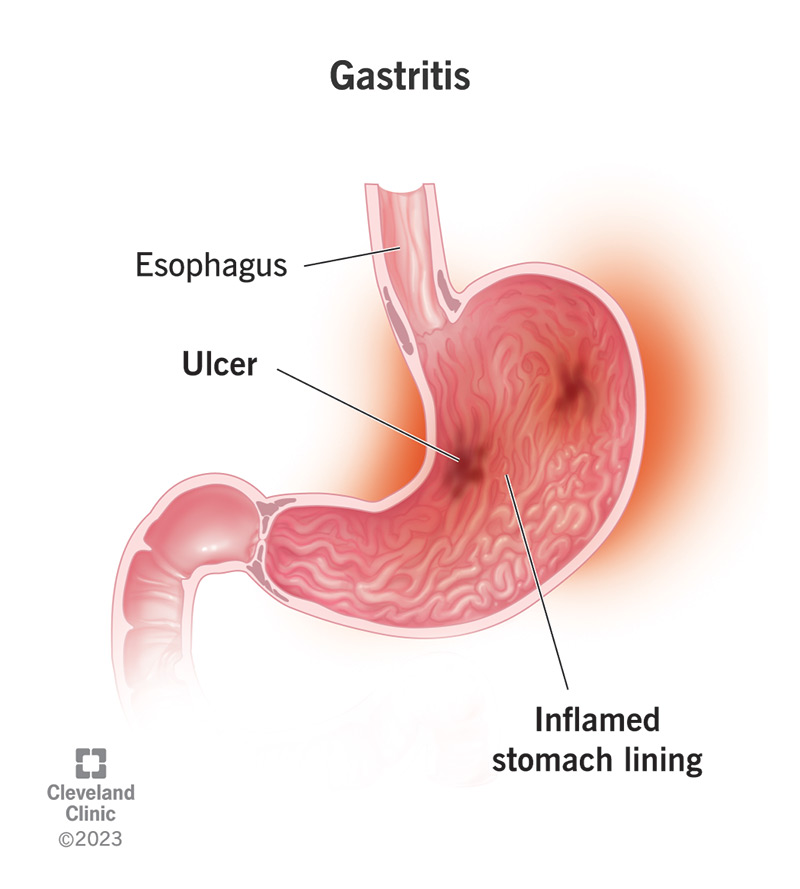
Gastritis means inflammation of the stomach lining. The inside of your stomach is protected by a special mucus barrier. This barrier prevents strong stomach acid from damaging the tissue underneath.
When that protective layer becomes weakened or damaged, stomach acid begins irritating the lining. That irritation leads to inflammation — and that’s how gastritis develops.
Step-by-Step: How Gastritis Develops
Understanding the process helped me feel less anxious. Here’s what typically happens:
1️⃣ The Protective Barrier Weakens
The stomach normally produces mucus and bicarbonate to protect itself. But certain triggers can reduce this protection.
- Infection with Helicobacter pylori (H. pylori)
- Frequent NSAID use (like ibuprofen or aspirin)
- Heavy alcohol consumption
- Chronic stress
- Smoking
When this barrier weakens, acid is no longer safely contained.
2️⃣ Acid Begins Irritating the Lining

Stomach acid is strong — it has to be strong to digest food. But without protection, it starts irritating the gastric mucosa (stomach lining).
- Burning pain
- Nausea
- Bloating
- Loss of appetite
For me, the burning feeling was worse when I skipped meals. That’s because acid had nothing to digest — it just irritated my stomach lining.
3️⃣ Inflammation Develops
Once irritation continues, the immune system responds. Blood flow increases to the area, inflammatory cells gather, and swelling begins.
This is true gastritis.
- Erode the lining
- Cause small bleeding areas
- Increase risk of ulcers
According to research published by the National Institutes of Health (NIH), chronic untreated gastritis can gradually damage stomach tissue over time.
(Research source: https://www.ncbi.nlm.nih.gov/books/NBK441923/)
4️⃣ Acute vs. Chronic Gastritis

Acute Gastritis
- Sudden onset
- Often caused by alcohol, medication, or infection
- May improve within days if treated
Chronic Gastritis
- Develops slowly over months or years
- Often linked to H. pylori infection
- Can cause long-term tissue changes
I personally experienced mild chronic gastritis — symptoms came and went for months before I realized something wasn’t normal.
The Most Common Cause in the U.S.
In the United States, one of the leading causes is H. pylori infection.
This bacteria weakens the stomach’s protective barrier. Over time, it allows acid to inflame the lining.
The CDC estimates that millions of Americans carry H. pylori — though many don’t know it.
If you suspect symptoms, it’s important to consult a healthcare provider for testing.
Why Stress Makes It Worse
Stress itself doesn’t directly cause gastritis in most healthy people — but it increases acid production and slows stomach emptying.
When I went through a high-stress period, my symptoms intensified. Once I improved sleep and eating habits, things slowly improved.
Can Gastritis Heal?
Yes — in many cases.
- The trigger is removed
- Acid levels are controlled
- Proper treatment is given
Treatment may include:
- Proton pump inhibitors (PPIs)
- H2 blockers
- Antibiotics (if H. pylori positive)
- Diet adjustments
Healing time varies. Acute cases may improve in days to weeks. Chronic cases may take longer.
My Personal Turning Point
The biggest mistake I made was ignoring early symptoms.
I thought it was “just indigestion.”
- Regular meals
- Limiting NSAIDs
- Managing stress
- Seeking medical advice early
Small daily habits made a bigger difference than I expected.
When to See a Doctor
- Vomiting blood
- Black stools
- Severe abdominal pain
- Unexplained weight loss
- Persistent symptoms longer than 1–2 weeks
Because gastritis falls under YMYL (Your Money or Your Life) health content, accurate diagnosis and professional evaluation are essential.
Related Pages
Medical Disclaimer
This article is for informational and educational purposes only and does not constitute medical advice, diagnosis, or treatment. Always consult a qualified healthcare provider regarding any medical concerns. Do not ignore professional medical advice because of something you have read on this website.
References
- National Institutes of Health (NIH) – Gastritis Overview
https://www.ncbi.nlm.nih.gov/books/NBK441923/ - Cleveland Clinic – Gastritis
https://my.clevelandclinic.org/health/diseases/10349-gastritis
📚 Complete Gastritis Resource Center
Explore our full evidence-based guide covering symptoms, causes, progression, and recovery strategies for gastritis.
🔎 Symptoms & Pain Location
- Where Is Gastritis Pain Felt?
- Upper Abdominal Discomfort Explained
- Chest Tightness & Gastritis
- Nighttime Gastritis Symptoms
- Frequent Burping & Gastritis
- Loss of Appetite & Gastritis
- Nausea and Gastritis
- Early Warning Signs
⚡ Causes & Triggers
- Common Causes of Gastritis
- Medication-Induced Gastritis
- Alcohol-Related Gastritis
- Can Stress Cause Gastritis?
- Lifestyle Triggers
- How Age Affects Risk
- Gastritis in Young Adults
📊 Types & Progression
- Acute vs Chronic Gastritis
- When Gastritis Becomes Chronic
- Mild vs Severe Gastritis
- How Gastritis Develops
- Gastritis Without Pain
🛡 Prevention & Recovery
- Can Gastritis Be Prevented?
- Understanding the Stomach Lining
- What Doctors Mean by Stomach Inflammation
- Morning Stomach Pain Causes
- Bloating After Meals
Main Hub: Return to GutReliefHub Home




No comments:
Post a Comment