
How Lifestyle Habits Lead to Gastritis: Daily Triggers That Damage Your Stomach
Gastritis rarely begins suddenly. For many people — including me — it develops slowly through everyday habits that seem harmless at first: skipping meals, drinking coffee on an empty stomach, chronic stress, and irregular sleep.
In my early 20s, I didn’t think lifestyle could cause real stomach inflammation. I assumed gastritis came from bacteria or serious illness. But over time, I learned that daily routines can gradually weaken the stomach lining until inflammation appears.
This article explains how lifestyle habits lead to gastritis, why modern routines increase risk, and what changes actually protect stomach health.

How Lifestyle Affects the Stomach Lining
The stomach protects itself from acid using a mucus barrier and cellular repair mechanisms. Healthy habits support this protection. Harmful habits weaken it.
When protective defenses decrease, stomach acid begins irritating tissue — leading to gastritis.
Research shows lifestyle factors influence:
- Acid secretion levels
- Mucus production
- Inflammation pathways
- Mucosal blood flow
- Healing capacity
Over time, imbalance between acid and protection causes inflammation.
My Realization: Gastritis Was Lifestyle-Driven
I initially blamed stress alone for my stomach pain. But when I examined my routine honestly, patterns became obvious:
- Coffee before breakfast
- Skipping meals during work
- Late-night eating
- Poor sleep
- Frequent painkillers
Each habit alone seemed minor. Combined daily, they created continuous irritation.
Doctors often call this lifestyle-associated gastritis — increasingly common in younger adults.
Major Lifestyle Habits That Cause Gastritis
1. Skipping Meals
When the stomach remains empty for long periods, acid accumulates without food buffering. This exposes the lining to irritation.
I noticed burning pain mostly on days I delayed meals.
Related symptom pattern explained here: Early Signs of Gastritis
2. Coffee on an Empty Stomach
Caffeine increases acid secretion and gastric motility. Without food protection, this can damage mucosa over time.
Many people tolerate coffee, but sensitivity varies.
3. Chronic Psychological Stress
Stress affects stomach function through the brain-gut axis. It alters acid regulation, slows healing, and increases inflammation.
During stressful periods, my symptoms always intensified.
4. Late-Night Eating
Eating shortly before sleep disrupts gastric emptying and acid balance. Nighttime digestion also reduces mucosal recovery time.
5. Irregular Sleep Patterns
Sleep regulates gastrointestinal repair and immune response. Poor sleep weakens mucosal resilience.
6. Frequent NSAID Use
Common painkillers reduce protective prostaglandins in the stomach.
Medication-related irritation explained here: Medications That Cause Gastritis
Why Modern Lifestyle Increases Gastritis Risk
Compared to previous generations, modern routines include more:
- Caffeine consumption
- Processed foods
- Shifted meal timing
- Sleep deprivation
- Psychological stress
These factors cumulatively weaken gastric defenses.
Diet strategies that helped me recover are explained here: Best Diet for Gastritis
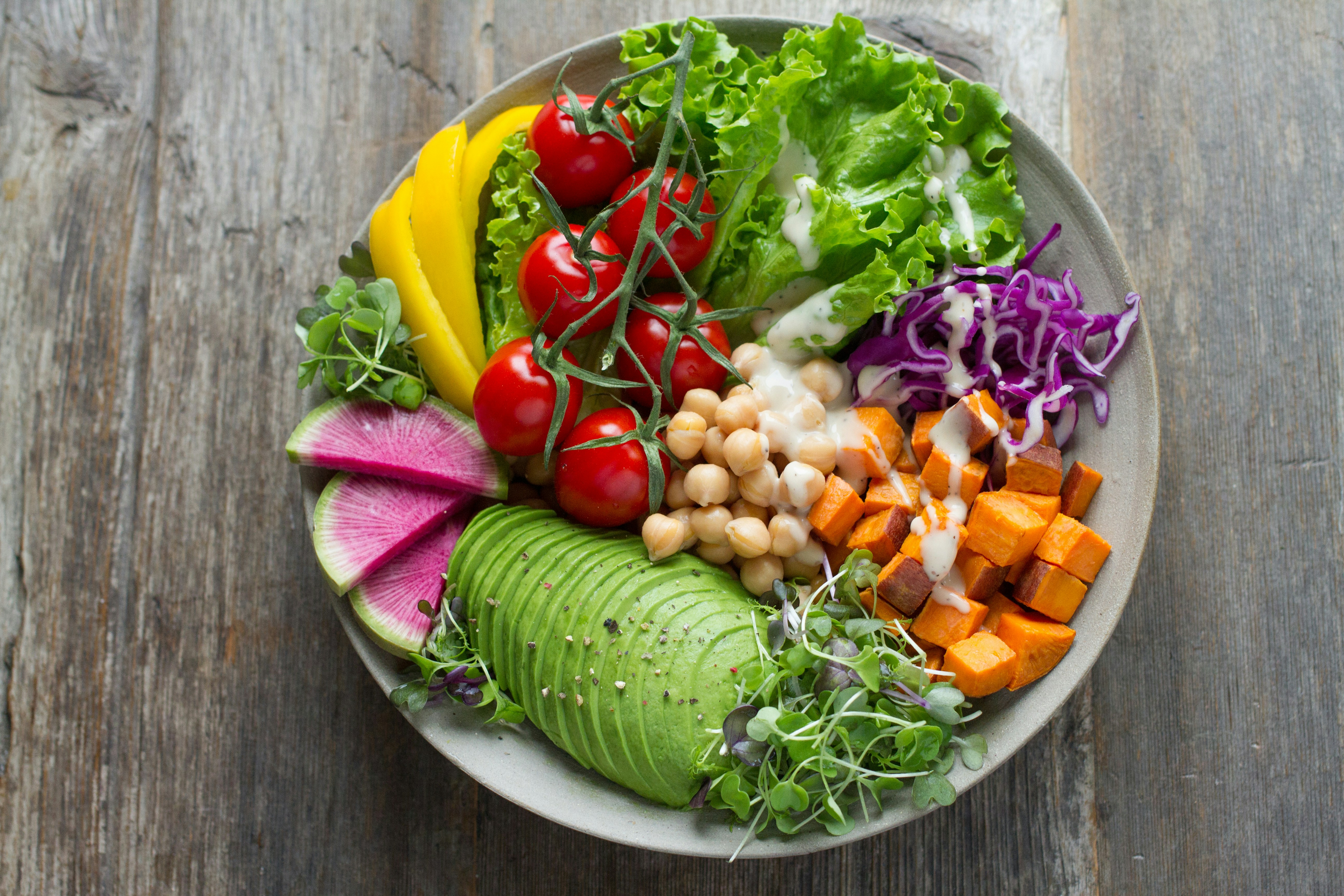
How Lifestyle Gastritis Develops Gradually
Unlike infection-related gastritis, lifestyle gastritis usually progresses slowly:
- Occasional discomfort
- Intermittent burning
- Meal-related symptoms
- Persistent irritation
- Chronic inflammation
This gradual onset is why many people ignore early signs.
What Changes Improved My Gastritis
Medication helped temporarily, but lasting improvement came from habit correction:
- Regular meal timing
- No coffee before food
- Earlier dinners
- Stress management
- Consistent sleep
Symptoms reduced over months rather than days.
Can Lifestyle Gastritis Heal?
Yes. The stomach lining regenerates quickly when triggers are removed.
Clinical evidence shows mucosal recovery occurs once acid-injury balance normalizes.
However, continued harmful habits can maintain inflammation indefinitely.
When Lifestyle Changes Are Not Enough
- Symptoms persist beyond 2–4 weeks
- Severe pain
- Vomiting
- Bleeding signs
- Weight loss
These require medical evaluation to rule out infection or ulcers.
Key Takeaway
Gastritis often reflects daily habits rather than disease alone.
Small routine choices — repeated every day — shape stomach health over time.
Correcting lifestyle factors early can prevent chronic inflammation and long-term digestive issues.
Medical References
- NCBI — Gastritis Overview
- World Journal of Gastroenterology — Gastritis Mechanisms
- Cleveland Clinic — Gastritis
About the Author
This article is based on lived experience managing lifestyle-related gastritis in early adulthood, combined with peer-reviewed medical literature and clinical guidance.
Medical Disclaimer
This content is for informational purposes only and does not constitute medical advice, diagnosis, or treatment. Always consult a qualified healthcare professional.
Privacy Policy | Terms of Service | Contact | About the Author
📚 Complete Gastritis Resource Center
Explore our full evidence-based guide covering symptoms, causes, progression, and recovery strategies for gastritis.
🔎 Symptoms & Pain Location
- Where Is Gastritis Pain Felt?
- Upper Abdominal Discomfort Explained
- Chest Tightness & Gastritis
- Nighttime Gastritis Symptoms
- Frequent Burping & Gastritis
- Loss of Appetite & Gastritis
- Nausea and Gastritis
- Early Warning Signs
⚡ Causes & Triggers
- Common Causes of Gastritis
- Medication-Induced Gastritis
- Alcohol-Related Gastritis
- Can Stress Cause Gastritis?
- Lifestyle Triggers
- How Age Affects Risk
- Gastritis in Young Adults
📊 Types & Progression
- Acute vs Chronic Gastritis
- When Gastritis Becomes Chronic
- Mild vs Severe Gastritis
- How Gastritis Develops
- Gastritis Without Pain
🛡 Prevention & Recovery
- Can Gastritis Be Prevented?
- Understanding the Stomach Lining
- What Doctors Mean by Stomach Inflammation
- Morning Stomach Pain Causes
- Bloating After Meals
Main Hub: Return to GutReliefHub Home




No comments:
Post a Comment