
Is Gastritis Temporary or Long-Term?
When I first heard the word gastritis, I assumed it was something short-term — like food poisoning or a random stomach bug.
But weeks passed. The burning feeling under my ribs kept coming back. Some days were fine. Other days, I felt nausea on an empty stomach.
Is gastritis temporary, or can it become long-term?
The answer isn’t simple — and that’s exactly why this guide exists.
What Is Gastritis, Really?
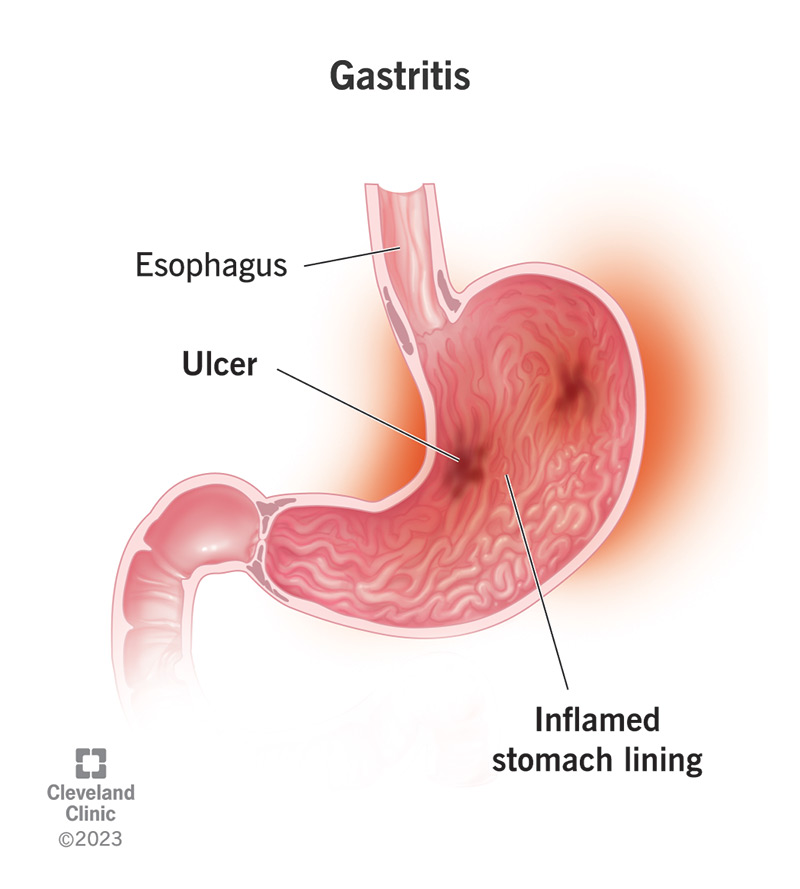
Gastritis means inflammation of the stomach lining. The stomach normally protects itself with a thick mucus barrier. When that barrier weakens, stomach acid irritates the tissue underneath.
That irritation leads to inflammation.
If you want a full breakdown of how the damage process starts:
👉 How Gastritis Develops in the Stomach
The Short Answer: It Can Be Both
- ✅ Temporary (Acute Gastritis)
- ⚠️ Long-Term (Chronic Gastritis)
The difference depends on the cause and how quickly it’s treated.
Acute Gastritis (Usually Temporary)
Acute gastritis appears suddenly.
Common triggers include:
- Heavy alcohol intake
- NSAID use (ibuprofen, aspirin)
- Severe stress
- Food poisoning
- Short-term infections
In many cases, once the trigger is removed, symptoms improve within a few days to a few weeks.
According to medical literature from the National Institutes of Health (NIH), acute gastritis often resolves once the underlying irritant is removed.
Research reference:
https://www.ncbi.nlm.nih.gov/books/NBK441923/
Chronic Gastritis (Long-Term Condition)
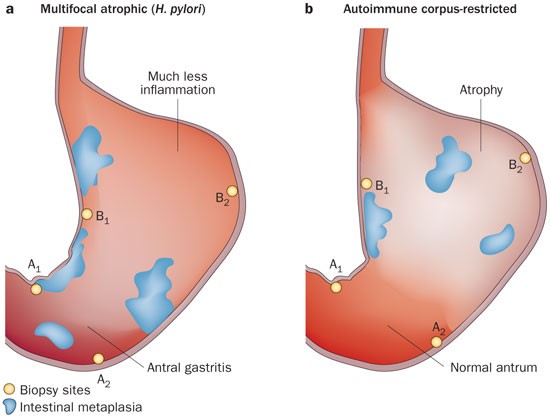
Chronic gastritis develops slowly over months or even years.
The most common cause is Helicobacter pylori (H. pylori) infection.
This bacteria damages the stomach’s protective layer over time. If untreated, inflammation persists.
- Flare up periodically
- Cause mild but recurring discomfort
- Lead to tissue thinning
- Increase long-term ulcer risk
How Long Does Gastritis Actually Last?
| Type | Typical Duration | Can It Heal? |
|---|---|---|
| Acute | Days to weeks | Yes, often fully |
| Chronic (treated) | Weeks to months | Usually improves |
| Chronic (untreated) | Years | May persist |
Chronic does NOT mean permanent.
Why Some Cases Become Long-Term
- Untreated H. pylori infection
- Ongoing NSAID use
- Smoking
- Heavy alcohol intake
- Autoimmune conditions
- Ignoring early symptoms
Can the Stomach Fully Recover?
Yes — the stomach lining regenerates quickly under the right conditions.
- Proton pump inhibitors (PPIs)
- H2 blockers
- Antibiotics (if H. pylori positive)
- Dietary changes
- Stress reduction
When to Seek Immediate Medical Care
- Vomiting blood
- Black stools
- Severe abdominal pain
- Unexplained weight loss
Final Takeaway
Is gastritis temporary or long-term?
It depends on the underlying cause, treatment timing, and lifestyle factors.
Many cases are temporary.
Some become chronic — but still manageable.
References
- NIH – Gastritis Overview
https://www.ncbi.nlm.nih.gov/books/NBK441923/ - Cleveland Clinic – Gastritis
https://my.clevelandclinic.org/health/diseases/10349-gastritis
Medical Disclaimer: This article is for informational purposes only and does not constitute medical advice. Always consult a qualified healthcare professional.
Privacy Policy | Terms of Service | Contact | About the Author
📚 Complete Gastritis Resource Center
Explore our full evidence-based guide covering symptoms, causes, progression, and recovery strategies for gastritis.
🔎 Symptoms & Pain Location
- Where Is Gastritis Pain Felt?
- Upper Abdominal Discomfort Explained
- Chest Tightness & Gastritis
- Nighttime Gastritis Symptoms
- Frequent Burping & Gastritis
- Loss of Appetite & Gastritis
- Nausea and Gastritis
- Early Warning Signs
⚡ Causes & Triggers
- Common Causes of Gastritis
- Medication-Induced Gastritis
- Alcohol-Related Gastritis
- Can Stress Cause Gastritis?
- Lifestyle Triggers
- How Age Affects Risk
- Gastritis in Young Adults
📊 Types & Progression
- Acute vs Chronic Gastritis
- When Gastritis Becomes Chronic
- Mild vs Severe Gastritis
- How Gastritis Develops
- Gastritis Without Pain
🛡 Prevention & Recovery
- Can Gastritis Be Prevented?
- Understanding the Stomach Lining
- What Doctors Mean by Stomach Inflammation
- Morning Stomach Pain Causes
- Bloating After Meals
Main Hub: Return to GutReliefHub Home




No comments:
Post a Comment