52. Why Water Makes Gastritis Worse (Real Reason Explained)

Why Water Makes Gastritis Worse (Real Reason)

Drinking water should help your stomach — that’s what most people expect.

But if you have gastritis, you may notice something unexpected. Sometimes, drinking water actually makes the discomfort worse.

If you've ever felt a burning or irritated sensation right after drinking water, you're not imagining it.

👉 Ultimate Guide to Gastritis


What It Actually Feels Like

When your stomach lining is inflamed, even simple things can trigger symptoms.

  • Burning sensation after drinking water
  • Dull upper stomach pain
  • Pressure or tightness
  • Empty but irritated feeling

If your symptoms change throughout the day, read: Gastritis symptoms that come and go


Why Water Can Make Gastritis Worse

1. Acid Is Still Present

Even when your stomach is empty, acid is still active. Water can move acid around instead of calming it.

Related: Gastritis during fasting

2. Sensitive Stomach Lining

Inflammation makes your stomach more reactive, even to water.

3. Drinking Too Fast

Large amounts increase pressure and irritation quickly.


When It Happens More Often

  • On an empty stomach
  • During flare-ups
  • When drinking cold water
  • When drinking too quickly

Learn more: Gastritis flare-ups explained


⚠️ When to Be Careful

  • Severe pain
  • Vomiting
  • Weight loss
  • Persistent symptoms

Check warning signs: Severe gastritis warning signs


How to Drink Water Without Pain

1. Take Small Sips

This reduces pressure on your stomach.

2. Avoid Cold Water

Room temperature water is usually better.

3. Don’t Drink on an Empty Stomach

Try this: Safe breakfast for gastritis

4. Eat the Right Foods

Best foods for gastritis relief

Foods to avoid with gastritis


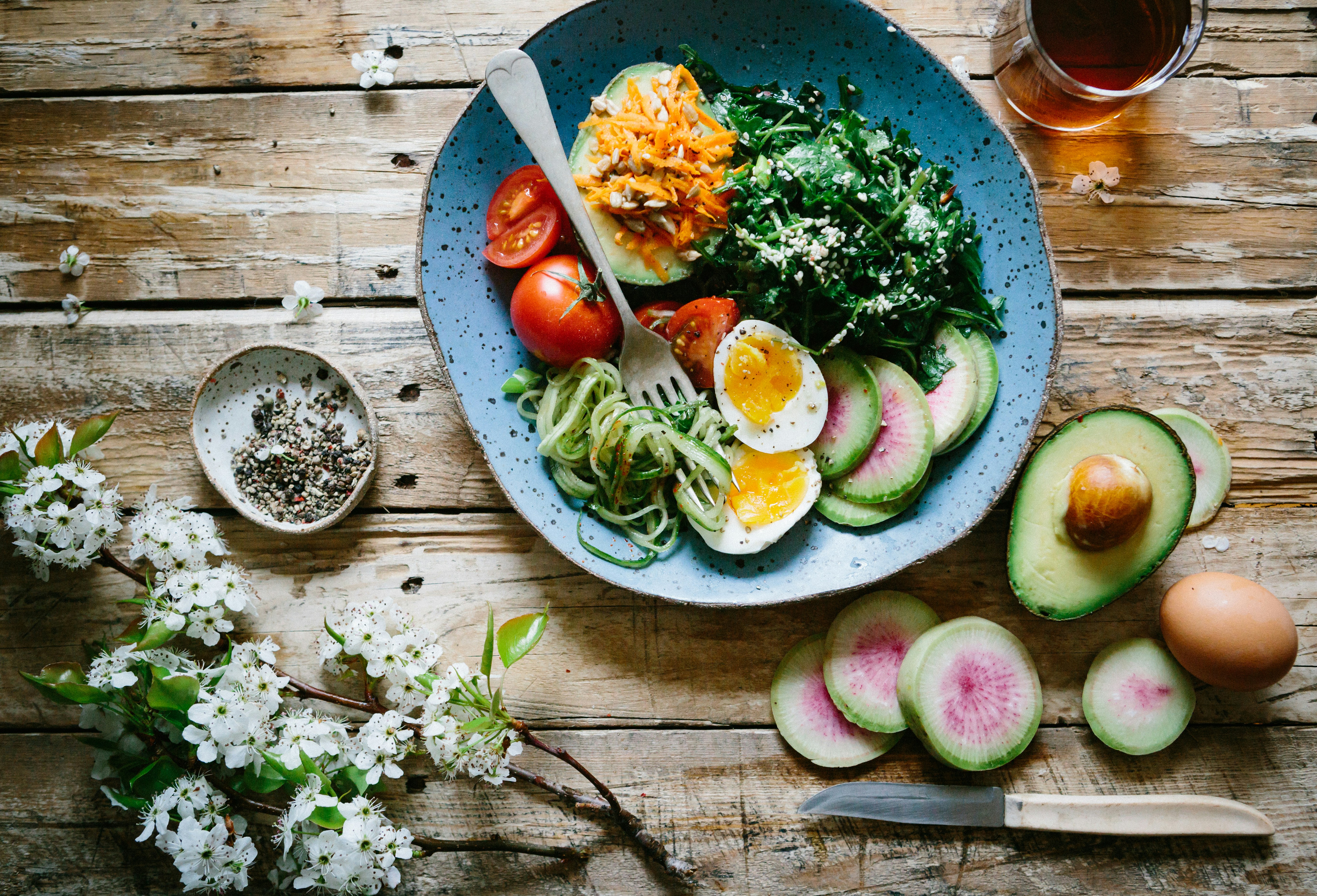
why water makes gastritis worse stomach irritation illustration

Real Experience

At first, I thought drinking more water would help.

But I realized that timing and amount matter more than anything.

Once I switched to small sips and avoided drinking on an empty stomach, my symptoms improved.


Final Thoughts

Gastritis can react in unexpected ways.

Even water can trigger symptoms if your stomach is sensitive.

Understanding these small triggers helps you manage your condition better.


Medical Disclaimer

This content is for informational purposes only and does not replace professional medical advice.

Sources

  • National Institute of Diabetes and Digestive and Kidney Diseases (NIDDK)
  • Mayo Clinic
  • Cleveland Clinic

Terms of Service | Contact | About the Author

Gastritis Symptoms You Should Never Ignore (Warning Signs)

Gastritis Symptoms You Should Never Ignore

At first, I didn’t think much of it.

It started as a mild burning feeling in my upper stomach. Nothing serious. I thought it was just something I ate or maybe stress. So I ignored it.

That turned out to be a big mistake.

How It All Started

The discomfort was subtle at first. A little pain after meals, some bloating, and occasional nausea. I told myself it would go away on its own.

But instead of improving, the symptoms slowly got worse.

Looking back, these were early gastritis symptoms — I just didn’t recognize them.

The Symptoms I Ignored

  • Burning sensation in the upper abdomen
  • Feeling full quickly after eating
  • Bloating and pressure
  • Mild nausea, especially at night
  • Discomfort after coffee or spicy food

These gastritis symptoms are often ignored in the early stage, but recognizing them early can prevent chronic gastritis and long-term stomach damage.

When Things Got Worse

After a couple of weeks, the pain became harder to ignore.

Eating started to feel uncomfortable. Even small meals caused pressure and discomfort. I also noticed the symptoms were worse at night.

That’s when I finally realized something wasn’t right.

What I Learned About Gastritis

Gastritis isn’t always sudden or severe. In many cases, it builds up slowly.

Common triggers include:

  • Stress
  • Irregular eating habits
  • Coffee and alcohol
  • Spicy or acidic foods
  • Overuse of certain medications

What Actually Helped Me

  • Eating smaller, more frequent meals
  • Avoiding coffee on an empty stomach
  • Cutting back on spicy foods
  • Managing stress better

These changes didn’t fix everything overnight, but they made a noticeable difference.

What I Would Do Differently

If I could go back, I wouldn’t ignore the early symptoms.

Gastritis is much easier to manage when you catch it early. Waiting only makes it worse and harder to recover from.

Related Articles

Frequently Asked Questions

Can gastritis go away on its own?

In mild cases, gastritis may improve with lifestyle changes. However, persistent symptoms should be evaluated by a healthcare professional.

What foods make gastritis worse?

Spicy foods, alcohol, caffeine, and acidic foods are common triggers that can worsen gastritis symptoms.

Is gastritis dangerous?

Most cases are mild, but untreated gastritis can lead to complications such as ulcers or chronic inflammation.

Final Thoughts

Ignoring symptoms doesn’t make them go away. It usually makes them worse.

If you’re experiencing similar signs, it’s worth paying attention early. Your stomach will thank you later.

51. Symptoms, Causes, and Treatment (2026 Guide)


What Is Gastritis? Symptoms, Causes, and Treatment (2026 Guide)

Gastritis is a common digestive condition that occurs when the stomach lining becomes inflamed. It can develop suddenly (acute gastritis) or gradually over time (chronic gastritis), and affects millions of people worldwide.

If left untreated, gastritis may lead to complications such as ulcers or digestive issues. In this complete 2026 guide, we’ll break down everything you need to know.


What Is Gastritis?

Gastritis refers to inflammation, irritation, or erosion of the stomach lining. The stomach normally produces acid to digest food, but when the protective lining weakens, this acid can cause damage.

There are two main types:

  • Acute gastritis: Sudden inflammation, often short-term
  • Chronic gastritis: Long-term condition that develops slowly

Common Symptoms of Gastritis

Symptoms vary depending on severity, but the most common include:

  • Burning or aching stomach pain
  • Nausea or vomiting
  • Bloating and fullness
  • Loss of appetite
  • Indigestion
  • Dark stools (in severe cases)

Some people may not experience noticeable symptoms, especially in chronic cases.


What Causes Gastritis?

Gastritis can be triggered by several factors, including:

1. Infection

The most common cause is Helicobacter pylori (H. pylori) infection, which damages the stomach lining.

2. Medications

Frequent use of pain relievers such as NSAIDs (ibuprofen, aspirin) can irritate the stomach.

3. Alcohol Consumption

Excessive alcohol weakens the protective stomach lining.

4. Stress

Severe stress from illness or injury can lead to gastritis.

5. Autoimmune Conditions

In some cases, the immune system attacks the stomach lining.


How Is Gastritis Diagnosed?

Doctors may use several methods to diagnose gastritis:

  • Medical history and symptom review
  • Endoscopy (camera to view stomach lining)
  • Blood or breath tests for H. pylori
  • Stool tests

Effective Treatment Options

1. Medications

  • Antacids to neutralize stomach acid
  • Proton pump inhibitors (PPIs)
  • Antibiotics (for H. pylori infection)

2. Lifestyle Changes

  • Avoid spicy, acidic, and fried foods
  • Limit alcohol and caffeine
  • Eat smaller, more frequent meals
  • Quit smoking

3. Stress Management

Practices like exercise, meditation, and proper sleep can help reduce symptoms.


Best Foods for Gastritis

Eating the right foods can significantly improve symptoms:

  • Bananas
  • Oatmeal
  • Boiled vegetables
  • Lean proteins (chicken, fish)
  • Probiotic-rich foods (yogurt)

👉 Explore more gastritis-friendly diet tips


Foods to Avoid

  • Spicy foods
  • Alcohol
  • Carbonated drinks
  • Coffee
  • Processed foods

Can Gastritis Be Cured?

Yes, in many cases gastritis can be treated and even fully healed, especially when the underlying cause is addressed. However, chronic gastritis may require long-term management.


When to See a Doctor

Seek medical attention if you experience:

  • Severe stomach pain
  • Vomiting blood
  • Black stools
  • Persistent symptoms lasting more than a week

Final Thoughts

Gastritis is a manageable condition when identified early. By understanding the symptoms, causes, and treatments, you can take control of your digestive health and prevent complications.

Making simple lifestyle and dietary changes can significantly improve your quality of life.


Related Articles:

50. Dairy Products and Gastritis

Dairy Products and Gastritis: Do They Help or Make It Worse?

When I first started dealing with gastritis, I thought milk would be my safest option.

It felt logical. Milk is soft, mild, and commonly recommended for stomach discomfort. So I added more dairy into my diet—milk, yogurt, even cheese—hoping it would calm my stomach.

At first, it seemed to help.

But after a few days, something felt off.

The burning sensation came back. The bloating got worse. And sometimes, I even felt more discomfort after drinking milk than before.

Dairy products don’t affect everyone with gastritis the same way.

---

What Happens When You Consume Dairy With Gastritis?

Gastritis is inflammation of the stomach lining, making it sensitive to acid, fat, and digestion timing.

Some dairy foods may temporarily soothe your stomach, but others can increase acid production later and worsen symptoms.

If symptoms worsen after eating, read this:

👉 Symptoms That Get Worse After Eating

---

My Personal Experience With Milk

I used to drink a glass of milk at night thinking it would protect my stomach.

It worked briefly, but then the burning returned, along with heaviness and mild nausea.

I later learned milk can trigger acid rebound, making symptoms worse over time.

---

Does Milk Help or Worsen Gastritis?

It depends on your body and the type of dairy.

  • Helps: small amounts, empty stomach, lactose tolerance
  • Worsens: large amounts, high fat, sensitivity

Check common trigger foods here:

👉 Foods to Avoid With Gastritis

---

Best Dairy Options for Gastritis

  • Low-fat yogurt (probiotics)
  • Lactose-free milk
  • Small portions of cottage cheese

More safe food ideas:

👉 Best Foods for Gastritis Relief

---

Dairy Products That Can Trigger Symptoms

  • Whole milk
  • Ice cream
  • Heavy cream
  • Processed cheese

Also avoid combining dairy with spicy foods:

👉 Spicy Food and Gastritis

---
milk yogurt gastritis diet
---

Timing Matters More Than You Think

Drinking milk late at night caused me reflux and discomfort.

If you have nighttime symptoms:

👉 Nighttime Gastritis Symptoms

---

The Role of Lactose Intolerance

Some symptoms may come from lactose intolerance, not just gastritis.

Common signs include bloating, gas, and cramping.

---

When Dairy Might Help

Small amounts of yogurt worked for me when eaten during the day and with other foods.

---

How I Adjusted My Diet

  • Switched to low-fat dairy
  • Reduced portions
  • Avoided nighttime intake
  • Tested tolerance gradually
---

👉 Ultimate Guide to Gastritis

---

Common Mistakes to Avoid

  • Assuming milk is always safe
  • Drinking dairy on empty stomach
  • Ignoring delayed symptoms
  • Combining with trigger foods
---

Final Thoughts

Dairy isn’t universally good or bad for gastritis. It depends on your body.

Start small, observe your symptoms, and adjust gradually.

---

Medical Disclaimer

This content is for informational purposes only and does not constitute medical advice. Always consult a qualified healthcare provider.

---

References

National Institute of Diabetes and Digestive and Kidney Diseases
https://www.niddk.nih.gov/

American College of Gastroenterology
https://gi.org/

---

Terms of Service | Contact | About the Author

49.Is Fasting Bad for Gastritis? (What Actually Happens)


Is Fasting Bad for Gastritis? Real Effects on Your Stomach

I once believed fasting would help my stomach heal.

Less food meant less irritation—at least that’s what I thought.

But instead of improving, my gastritis symptoms became worse.

If you're considering fasting with gastritis, here’s what actually happens.

👉 complete gastritis treatment guide


Why Fasting Can Make Gastritis Worse

When eating causes pain, avoiding food seems logical.

But gastritis is not just about food—it’s about acid and inflammation.

Your stomach continues producing acid even when empty.

Without food, that acid directly irritates the stomach lining.

This is why symptoms often worsen during fasting.

Related: gastritis during fasting symptoms


My Experience With Fasting

I tried skipping meals, thinking it would help.

At first, I felt less bloated.

But then I noticed:

  • Burning pain in the morning
  • Nausea before eating
  • Stronger acid discomfort

An empty stomach made everything worse.

This is similar to morning stomach pain causes gastritis.


What Happens During Fasting

  • Acid is still produced
  • The stomach lining is exposed
  • Irritation increases

This leads to:

  • Burning sensation
  • Stomach pain
  • Nausea

See also: sharp vs dull stomach pain causes


Better Alternative: Eat Regularly

Instead of fasting, consistency worked better.

  • Small meals every 3–4 hours
  • Low-acid foods
  • Regular timing

This helped reduce irritation.

Guide: best foods for gastritis relief diet plan


Foods to Avoid

  • Spicy foods
  • Coffee
  • Alcohol
  • Acidic foods

Warning Signs

  • Pain on empty stomach
  • Morning nausea
  • Burning without eating
  • Relief after eating

If you notice these, your stomach needs regular food.

Also read: gastritis symptoms worse after eating


Final Thoughts

Fasting may sound helpful, but for gastritis, it often makes symptoms worse.

Your stomach needs consistency—not long empty periods.


small meals for gastritis recovery


FAQ

Can fasting cure gastritis?

No. It often worsens symptoms because acid is still produced.

Is intermittent fasting safe?

Usually not during active gastritis.

What is better than fasting?

Small, frequent meals.


Medical Disclaimer

This content is for informational purposes only.

48. Late-Night Eating and Gastritis: Why Your Stomach Isn’t Healing

Late-Night Eating and Gastritis: The Hidden Habit That Keeps Your Stomach From Healing


I didn’t realize how much my late-night eating habit was hurting my stomach—until my gastritis stopped improving.

For months, I focused on avoiding spicy food, cutting down alcohol, and eating “safe” meals. But one thing I ignored was timing. I kept eating late at night, thinking it didn’t matter as long as the food was mild.

I was wrong.

If you’re dealing with gastritis and your symptoms feel worse at night or never fully go away, this might be the missing piece.

👉 Ultimate Guide to Gastritis


Why Late-Night Eating Is So Harmful for Gastritis

Gastritis is inflammation of the stomach lining. Healing requires one simple thing: rest.

But when you eat late at night, your stomach doesn’t get that rest.

Here’s what actually happens:

  • Your stomach keeps producing acid while you sleep
  • Digestion slows down significantly at night
  • Food stays longer in your stomach, increasing irritation
  • Lying down increases acid reflux risk

I noticed that even when I ate “safe foods,” symptoms like burning and discomfort would come back the next morning.

This connects closely with why gastritis symptoms get worse at night.


My Personal Experience With Late Eating

I used to eat around 11 PM—sometimes even later.

It wasn’t heavy meals. Usually something like toast, oatmeal, or leftovers. Nothing extreme.

But here’s what I noticed over time:

  • Morning stomach pain became more frequent
  • I woke up with a sour taste
  • Healing completely stalled

At first, I blamed food choices. Then stress. Then coffee.

But the real trigger was timing.

This also overlaps with morning stomach pain causes, which often links back to late-night habits.


What Science Says About Eating Before Bed

Research shows that eating close to bedtime can:

  • Increase gastric acid exposure
  • Delay gastric emptying
  • Worsen inflammation in the stomach lining

According to studies published by the National Institutes of Health (NIH), late-night eating is associated with increased gastrointestinal discomfort and reflux symptoms.

Source: NIH Gastrointestinal Research


Common Symptoms Linked to Late-Night Eating

If you have gastritis, eating late can trigger:

  • Burning stomach pain
  • Nausea in the morning
  • Bloating
  • Acid reflux
  • Interrupted sleep

These symptoms are often mistaken for food intolerance, but they’re frequently caused by meal timing.

Related: symptoms that get worse after eating


How Late Is Too Late?

From my experience and research, eating within 2–3 hours before bed is risky if you have gastritis.

Ideal structure:

  • Last meal: 6–7 PM
  • Light snack (if needed): before 8 PM
  • No food after that

Once I followed this consistently, my symptoms improved faster than anything else I tried.


What to Do If You Get Hungry at Night

Let’s be real—sometimes you get hungry.

Here’s what helped me:

  • Drink warm water or herbal tea
  • Eat a small, non-acidic snack earlier in the evening
  • Avoid lying down immediately after eating

Also check: safe foods for gastritis


Foods That Make Late Eating Worse

If you absolutely eat late, avoid these:

  • Spicy foods
  • Alcohol
  • Coffee
  • Fatty meals

These are already known triggers:


One Habit That Changed Everything

The biggest shift for me was simple:

I stopped eating after 8 PM.

Within a week:

  • Morning pain reduced
  • Less acid reflux
  • Better sleep

Within a few weeks:

  • Healing finally started

It wasn’t a miracle cure—but it removed a constant trigger.


Final Thoughts

If your gastritis isn’t improving, don’t just look at what you eat—look at when you eat.

Late-night eating is one of the most overlooked causes of delayed healing.

Fixing this one habit might be the turning point.


Medical Disclaimer

This content is for informational purposes only and is not medical advice. Always consult a qualified healthcare provider regarding any medical condition.

Sources


Terms of Service | Contact | About the Author

late night eating meal

52. Why Water Makes Gastritis Worse (Real Reason Explained)

Why Water Makes Gastritis Worse (Real Reason) Drinking water should help your stomach — that’s what most people expect. But if you hav...