
Why Gastritis Symptoms Are Worse at Night (And What You Can Do)
I didn’t notice it right away, but over time, a clear pattern started to show — my stomach symptoms always felt worse at night.
During the day, I could manage. But once I lay down or tried to sleep, the discomfort became more noticeable. Burning, bloating, and sometimes nausea would creep in just when I wanted to rest.
If you're experiencing the same thing, you're not imagining it. Gastritis symptoms often intensify at night, and there are real reasons behind it.

If you're dealing with gastritis, these guides may help you:
Why Symptoms Get Worse at Night
At night, your body changes in ways that affect digestion and stomach sensitivity.
- Stomach acid can build up more easily
- Lying down allows acid to move upward
- Your stomach may be empty for long periods
- There are fewer distractions, so discomfort feels stronger
In my case, the silence and stillness made every sensation more noticeable.
👉 Learn how symptom timing varies:
gastritis symptoms duration

Common Nighttime Symptoms
- Burning sensation in the upper stomach
- Bloating before sleep
- Nausea when lying down
- Discomfort on an empty stomach
I often felt fine after dinner, but a few hours later, the discomfort would slowly return.
The Role of Eating Patterns
What and when you eat plays a huge role.
- Eating too late can trigger symptoms
- Going to bed right after meals worsens reflux
- Skipping dinner can also increase acid irritation
This pattern is closely related to symptoms triggered by meals:
symptoms that get worse after eating
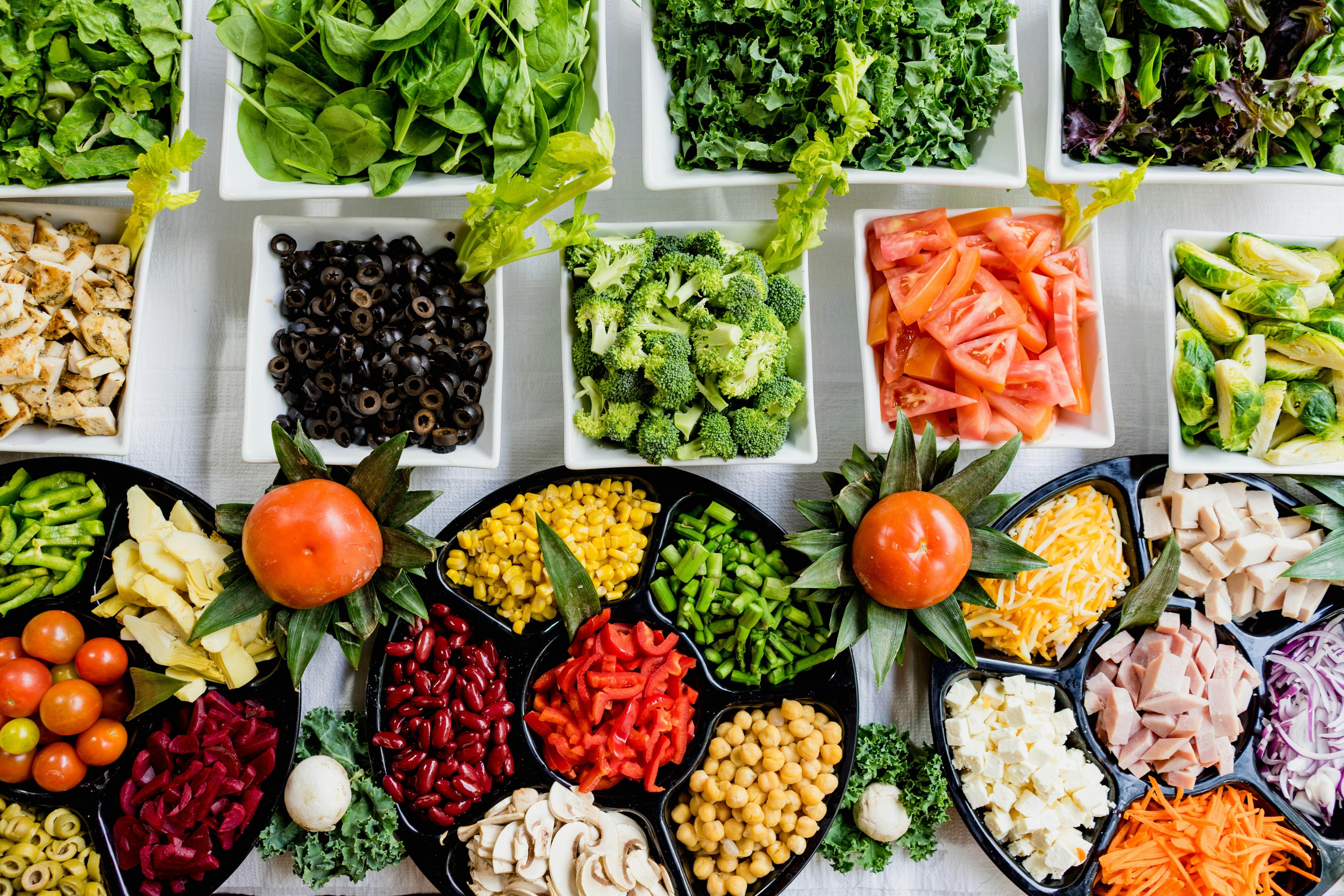
Plain oatmeal helped calm my stomach and kept me full without irritation.
symptoms that get worse after eating
This is especially important during flare-ups. Here's a complete breakdown of safe foods:
What to eat during a gastritis flare-up
Small Changes That Helped Me
I didn’t fix it overnight, but these changes made a real difference:
- Stopping food intake 2–3 hours before sleep
- Avoiding spicy and acidic foods at dinner
- Sleeping with my upper body slightly elevated
- Eating smaller portions in the evening
These adjustments reduced the intensity of symptoms significantly.
When Night Symptoms Signal Something More
If your symptoms are persistent or worsening at night, it may not be mild gastritis.
- Frequent nighttime pain
- Symptoms that wake you up
- Ongoing nausea or discomfort
These can be signs of a more serious condition:
👉 Read about warning signs here:
severe gastritis warning signs
What I Learned From This Pattern
Nighttime symptoms taught me something important — gastritis isn’t just about what you eat, but when and how your body processes it.
Ignoring nighttime discomfort only made things worse over time.
Once I started paying attention to patterns, I was able to manage symptoms more effectively.
Final Thoughts
If your symptoms are worse at night, your body is sending a clear signal.
Understanding that pattern is the first step toward improving your condition.
Small changes in timing, posture, and food choices can make a bigger difference than you might expect.
Medical Disclaimer
This content is for informational purposes only and does not constitute medical advice. Always consult a qualified healthcare provider regarding any symptoms or conditions.
References
National Institute of Diabetes and Digestive and Kidney Diseases (NIDDK)
Mayo Clinic – Gastritis
Cleveland Clinic – Digestive Disorders
📚 Complete Gastritis Resource Center
🔎 Symptoms & Pain Location
- where gastritis pain is felt and how to identify it clearly
- what upper abdominal discomfort means in gastritis
- can gastritis cause chest tightness and when it is serious
- why gastritis symptoms get worse at night
- why frequent burping happens with gastritis
- why gastritis causes loss of appetite
- why gastritis causes nausea and when to worry
- early warning signs of gastritis you should never ignore
⚡ Causes & Triggers
- most common causes of gastritis explained simply
- how medications can trigger gastritis symptoms
- how alcohol worsens gastritis and stomach inflammation
- can stress actually cause gastritis flare-ups
- daily habits that silently worsen gastritis symptoms
- how age increases the risk of gastritis
- can young adults develop gastritis and why it happens
📊 Types & Progression
- acute vs chronic gastritis differences explained clearly
- when gastritis becomes chronic and warning signs
- mild vs severe gastritis comparison and symptoms
- how gastritis develops inside the stomach step by step
- can gastritis exist without pain and still be dangerous




No comments:
Post a Comment