2. Burning Stomach Pain After Eating: Causes, Gastritis, and Relief

Burning Stomach Pain After Eating: Causes, Gastritis, and Relief

Burning stomach pain after eating is one of the most recognizable digestive symptoms — yet it can also be confusing. Many people assume it means acid reflux or ulcers, but in many cases the burning sensation actually comes from irritation of the stomach lining.

In my own recovery experience, this symptom didn’t appear immediately. It developed after a period of milder upper abdominal discomfort and sensitivity to meals. That progression is very typical of gastritis-related irritation.

Why Burning Pain Happens After Eating

After a meal, the stomach naturally produces acid and digestive enzymes. When the stomach lining is healthy, this process causes no discomfort. But if the lining is irritated or inflamed, acid contact can trigger a burning sensation.

person with stomach discomfort

This is why burning stomach pain often begins shortly after eating rather than on an empty stomach. If you're unsure about the exact location of gastritis discomfort, see where gastritis pain is felt.

Common Causes of Burning Stomach Pain After Meals

👉 Ultimate Guide to Gastritis

1. Gastritis

The most common cause is inflammation or irritation of the stomach lining. When food and acid contact the sensitive surface, a burning sensation develops. Learn more about common causes of gastritis.

2. Acid sensitivity

Even normal acid levels can feel excessive if the stomach lining is already irritated. This explains why mild meals can still trigger burning.

3. Trigger foods

Certain foods increase irritation or acid activity, including:

  • Fried or fatty meals
  • Spicy foods
  • Coffee
  • Alcohol
  • Acidic foods

During my gastritis phase, coffee and oily meals consistently triggered burning within 20–30 minutes.

4. Stress-related stomach sensitivity

Stress changes stomach acid regulation and increases nerve sensitivity. If stress plays a role, read can stress cause gastritis.

How Gastritis Burning Feels Different From Reflux

People often confuse gastritis burning with acid reflux, but they feel different:

  • Gastritis: burning in upper abdomen after eating
  • Reflux: burning rising toward chest or throat

This distinction helped me understand that my symptoms were stomach-based rather than esophageal.

When Burning Pain Starts After Eating

Timing gives clues about cause:

  • Immediately after eating: stomach lining irritation
  • 30–60 minutes: acid contact with inflamed lining
  • 2–3 hours: delayed emptying or acid exposure

My symptoms typically appeared about 20–40 minutes after meals, especially larger ones.


Is Burning Stomach Pain Serious?

Most cases are related to gastritis or temporary irritation and improve with dietary and lifestyle changes. However, persistent burning should be medically evaluated.

Seek medical care if burning:

  • Occurs daily
  • Worsens over weeks
  • Occurs with vomiting
  • Includes weight loss or bleeding

Relief Strategies That Helped Me

These steps consistently reduced burning stomach pain during recovery:

  • Smaller meals
  • Low-fat foods
  • Avoiding coffee temporarily
  • Warm (not hot) foods
  • Slow eating

Interestingly, meal size mattered more than food type early in healing. Even safe foods triggered burning when portions were large.

Key Takeaway

Burning stomach pain after eating most often reflects stomach lining irritation rather than severe disease. It commonly appears during gastritis and improves as the lining heals.

Recognizing triggers and adjusting meal patterns can significantly reduce symptoms and support recovery.


Medical Disclaimer: This article is for educational purposes only and does not replace professional medical advice. Always consult a qualified healthcare provider regarding digestive symptoms.

Sources: Clinical gastroenterology references, gastritis and dyspepsia research literature, and medical education resources on upper gastrointestinal symptoms.


Privacy Policy | Terms of Service | Contact | About the Author


📚 Complete Gastritis Resource Center

Explore our full evidence-based guide covering symptoms, causes, progression, and recovery strategies for gastritis.

🔎 Symptoms & Pain Location

⚡ Causes & Triggers

📊 Types & Progression

🛡 Prevention & Recovery

Main Hub: Return to GutReliefHub Home

1. Where Is Gastritis Pain Felt? Location, Sensation, and Warning Signs

Where Is Gastritis Pain Felt? Location, Sensation, and Warning Signs

One of the most common questions people ask when experiencing stomach discomfort is: where is gastritis pain actually felt? Many assume it can occur anywhere in the abdomen, but gastritis pain has a surprisingly consistent location and pattern.

During my own digestive issues, understanding the exact pain location helped me recognize that my symptoms were stomach-related rather than intestinal or muscular. Gastritis discomfort typically centers in the upper abdomen, just below the rib cage.

Primary Location of Gastritis Pain

Gastritis pain is usually felt in the upper central abdomen, medically called the epigastric region. This area sits between the ribs and above the navel.

person with stomach discomfort

👉 Ultimate Guide to Gastritis

This location corresponds directly to the stomach’s position. If discomfort occurs mainly here, gastritis becomes more likely than lower intestinal causes.

How Gastritis Pain Typically Feels

Gastritis pain is often not sharp. Instead, people commonly describe:

  • Burning sensation
  • Aching under ribs
  • Pressure or tightness
  • Surface soreness

In my experience, the sensation felt close to the surface, almost like irritation rather than deep organ pain. This matches how stomach lining inflammation behaves.

When Gastritis Pain Appears

Timing helps identify gastritis-related discomfort. Pain often appears:

  • After eating
  • With an empty stomach
  • During stress
  • After trigger foods

If burning occurs mainly after meals, see burning stomach pain after eating.

Areas Gastritis Pain Does NOT Usually Occur

Understanding where gastritis pain is not felt can prevent confusion. Gastritis rarely causes:

  • Lower abdominal pain
  • Sharp side pain
  • Back-only pain
  • Pelvic discomfort

When pain is outside the upper abdomen, other digestive or non-digestive causes are more likely.

Stomach anatomy illustration

Why Gastritis Pain Stays in One Area

The stomach lining has localized nerve sensitivity. When inflamed, sensations are perceived directly above the organ rather than radiating widely.

This explains why gastritis discomfort usually remains centered under the ribs rather than spreading across the abdomen.

Early Warning Signs of Gastritis

Before strong pain develops, gastritis often begins with milder sensations:

  • Upper abdominal discomfort
  • Meal sensitivity
  • Early fullness
  • Mild nausea

These early signs often appear before burning pain. Learn more in upper abdominal discomfort explained.

Warning Signs That Need Medical Attention

Most gastritis pain is mild to moderate, but certain symptoms require evaluation:

  • Persistent pain for weeks
  • Severe burning
  • Vomiting
  • Black stool
  • Weight loss

These signs may indicate ulcers or more significant inflammation.

How I Recognized My Gastritis Location

My symptoms consistently appeared in the same small area below the sternum. Pressing gently on that region reproduced tenderness. The predictable location helped distinguish stomach irritation from general abdominal discomfort.

As healing progressed, the area became less sensitive and the pain episodes shortened — another typical gastritis pattern.

Key Takeaway

Gastritis pain is usually felt in the upper central abdomen just below the ribs. It commonly feels like burning, pressure, or surface irritation rather than sharp pain.

Recognizing this consistent location helps differentiate gastritis from other digestive conditions and supports earlier management.


Medical Disclaimer: This article is for educational purposes only and does not replace professional medical advice. Always consult a qualified healthcare provider regarding digestive symptoms.

Sources: Clinical gastroenterology references, anatomical education materials, and research literature on gastritis and dyspepsia symptoms.


Privacy Policy | Terms of Service | Contact | About the Author


📚 Complete Gastritis Resource Center

Explore our full evidence-based guide covering symptoms, causes, progression, and recovery strategies for gastritis.

🔎 Symptoms & Pain Location

⚡ Causes & Triggers

📊 Types & Progression

🛡 Prevention & Recovery

Main Hub: Return to GutReliefHub Home

20. Understanding the Stomach Lining and Gastritis

Understanding the Stomach Lining and Gastritis: How Irritation Begins

The stomach lining plays a crucial role in digestion, yet most people only become aware of it when problems like gastritis develop. Understanding how this protective layer works makes it much easier to understand symptoms such as burning, sensitivity, and upper abdominal discomfort.

When I first experienced gastritis symptoms, I assumed stomach pain came from acid itself. Later I learned the real issue was irritation of the stomach lining — not simply excess acid. This distinction is essential for understanding how gastritis develops and heals.

What the Stomach Lining Does

The stomach lining, medically called the gastric mucosa, protects the stomach wall from its own acid and digestive enzymes. It produces mucus and bicarbonate, creating a barrier between acid and tissue.


When healthy, this lining allows digestion without pain. But when irritated or weakened, acid can contact sensitive tissue and produce burning or discomfort.


👉 Ultimate Guide to Gastritis

How Gastritis Develops in the Stomach Lining

Gastritis begins when protective mechanisms are disrupted. Common pathways include:

  • Mucus barrier thinning
  • Inflammation of surface cells
  • Increased sensitivity to acid
  • Slower healing of micro-damage

As irritation progresses, sensations like burning and tenderness appear. For symptom location patterns, see where gastritis pain is felt.

Common Causes of Stomach Lining Irritation

1. Acid exposure on sensitive tissue

Even normal stomach acid can irritate when the protective barrier is weakened.

2. Infection

Certain bacteria can inflame the lining and disrupt mucus production.

3. Medications

Some drugs reduce protective prostaglandins that maintain mucosal defense.

4. Alcohol and irritants

Chemical irritation directly damages surface cells.

For a broader overview, read common causes of gastritis.

Why Symptoms Feel Like Burning

The stomach lining contains sensory nerves near the surface. When inflamed, these nerves react strongly to acid contact, producing the classic burning sensation associated with gastritis.

This explains why burning often occurs after meals, when acid production increases. Learn more in burning stomach pain after eating.

How the Stomach Lining Heals

The stomach lining renews rapidly — often within days — when irritation is reduced. Healing involves:

  • Mucus barrier restoration
  • Cell regeneration
  • Reduced inflammation
  • Normalization of acid tolerance

In my recovery, symptom improvement lagged slightly behind healing. Sensitivity persisted even after inflammation decreased, which is common during gastritis recovery.

Signs the Stomach Lining Is Irritated

Typical sensations indicating mucosal irritation include:

  • Upper abdominal burning
  • Meal-related discomfort
  • Surface soreness under ribs
  • Sensitivity to acidic foods

These symptoms reflect lining sensitivity rather than deep structural disease.

Protecting the Stomach Lining

Measures that support mucosal health include:

  • Regular meals
  • Moderate portion size
  • Limiting irritants
  • Stress reduction
  • Avoiding unnecessary medications

I noticed that consistent meal timing helped stabilize symptoms more than specific food elimination early on.

Key Takeaway

The stomach lining protects the stomach from its own acid. Gastritis occurs when this protective layer becomes irritated or weakened, allowing acid contact with sensitive tissue.

Understanding this mechanism explains why symptoms such as burning and upper abdominal discomfort occur — and why they improve as the lining heals.


Medical Disclaimer: This article is for educational purposes only and does not replace professional medical advice. Always consult a qualified healthcare provider regarding digestive symptoms.

Sources: Gastroenterology textbooks, mucosal physiology research, and clinical literature on gastritis and gastric mucosal defense.


Privacy Policy | Terms of Service | Contact | About the Author


📚 Complete Gastritis Resource Center

Explore our full evidence-based guide covering symptoms, causes, progression, and recovery strategies for gastritis.

🔎 Symptoms & Pain Location

⚡ Causes & Triggers

📊 Types & Progression

🛡 Prevention & Recovery

Main Hub: Return to GutReliefHub Home

19. What Doctors Mean by “Stomach Inflammation”

What Doctors Mean by “Stomach Inflammation”: Understanding Gastritis

Many patients hear the phrase “stomach inflammation” after experiencing digestive symptoms, yet the meaning is often unclear. In medical terms, stomach inflammation usually refers to gastritis — irritation or swelling of the stomach lining.

When I first heard this term, I imagined severe damage or infection. In reality, doctors often use “inflammation” to describe a spectrum ranging from mild irritation to more active mucosal changes. Understanding this helped me interpret my diagnosis more accurately and reduced unnecessary anxiety.

What Inflammation Means in the Stomach

Inflammation is the body’s protective response to irritation or injury. In the stomach, this response occurs in the mucosal lining that protects tissue from acid and enzymes.


👉 Ultimate Guide to Gastritis

When inflamed, the lining becomes more sensitive, and normal digestive processes may produce discomfort or burning sensations.

How Doctors Identify Stomach Inflammation

Clinically, doctors consider several factors when describing stomach inflammation:

  • Symptoms pattern
  • Location of discomfort
  • Response to meals
  • Endoscopic appearance (if examined)

If pain occurs in the upper central abdomen, doctors often suspect gastritis. For location details, see where gastritis pain is felt.

Inflammation vs Simple Irritation

Patients often wonder whether their stomach is truly inflamed or just sensitive. The difference is mainly degree:

  • Irritation: mild surface sensitivity
  • Inflammation: immune response and swelling

However, symptoms can overlap. Even mild gastritis may be described as inflammation in clinical language.

Common Causes Doctors Consider

When diagnosing stomach inflammation, physicians typically evaluate:

  • Infection
  • Medication effects
  • Alcohol exposure
  • Stress-related sensitivity
  • Dietary irritation

For a full overview, see common causes of gastritis.

Symptoms Doctors Associate With Stomach Inflammation

Typical gastritis-related inflammation symptoms include:

  • Upper abdominal burning
  • Meal-related discomfort
  • Surface tenderness under ribs
  • Nausea
  • Early fullness

Burning after meals is especially characteristic. Learn more in burning stomach pain after eating.

Does “Inflammation” Mean Severe Disease?

In most cases, no. Doctors frequently use the term for mild or moderate gastritis that improves with lifestyle adjustment and healing of the stomach lining.

When my physician described inflammation, it reflected irritation rather than structural damage — a distinction many patients misunderstand.

When Stomach Inflammation Matters Clinically

Medical concern increases if inflammation is:

  • Persistent
  • Severe
  • Associated with bleeding
  • Linked to infection
  • Visible on endoscopy

These situations may require targeted treatment rather than simple dietary management.

How Understanding the Term Helps Patients

Knowing that “stomach inflammation” usually refers to gastritis clarifies symptoms and expectations. It explains why discomfort often centers in the upper abdomen and relates to meals or irritants.

It also highlights that healing focuses on restoring the stomach lining rather than eliminating acid entirely.

Key Takeaway

When doctors say “stomach inflammation,” they typically mean gastritis — irritation or swelling of the stomach lining. This condition commonly causes upper abdominal burning and meal-related discomfort.

Understanding the term helps patients interpret diagnoses accurately and recognize that most cases are manageable and reversible.


Medical Disclaimer: This article is for educational purposes only and does not replace professional medical advice. Always consult a qualified healthcare provider regarding digestive symptoms.

Sources: Clinical gastroenterology texts, gastritis diagnostic guidelines, and mucosal inflammation research literature.


Privacy PolicyTerms of Service | Contact | About the Author


📚 Complete Gastritis Resource Center

Explore our full evidence-based guide covering symptoms, causes, progression, and recovery strategies for gastritis.

🔎 Symptoms & Pain Location

⚡ Causes & Triggers

📊 Types & Progression

🛡 Prevention & Recovery

Main Hub: Return to GutReliefHub Home

18. Can Gastritis Be Prevented?

Can Gastritis Be Prevented? Protecting Your Stomach Lining Before Symptoms Start

Many people only learn about gastritis after symptoms appear. But a common and important question is whether gastritis can actually be prevented. The answer is often yes — because gastritis usually develops from ongoing irritation of the stomach lining rather than sudden disease.

Looking back, several habits in my routine were quietly increasing stomach irritation long before noticeable symptoms began. Understanding prevention made it clear that gastritis is frequently a lifestyle-related condition that can be reduced with simple protective measures.

Why Gastritis Prevention Is Possible

The stomach lining constantly renews itself and maintains a protective barrier against acid. Gastritis develops when irritation exceeds the lining’s ability to repair.


👉 Ultimate Guide to Gastritis

This means prevention focuses on reducing irritation and supporting mucosal defense. To understand the lining’s role, see understanding the stomach lining and gastritis.

Common Factors That Lead to Gastritis

Preventing gastritis starts with recognizing what typically causes it. The most common contributors include:

  • Frequent irritant foods or drinks
  • Alcohol exposure
  • Certain medications
  • Irregular eating patterns
  • Chronic stress

These factors gradually weaken the stomach lining. A full overview appears in common causes of gastritis.

Habits That Help Prevent Gastritis

1. Consistent meal timing

Regular meals stabilize acid exposure and support mucosal repair cycles. Long fasting followed by large meals increases irritation.

2. Moderate portion size

Large meals stretch the stomach and increase acid production. Smaller meals reduce mechanical and chemical stress on the lining.

3. Limiting irritants

Reducing alcohol, very spicy foods, and excessive caffeine lowers repeated mucosal irritation.

4. Stress regulation

Stress affects stomach sensitivity and acid response. During stressful periods, stomach symptoms often emerge or worsen.

5. Careful medication use

Some medications reduce protective prostaglandins in the stomach lining. Using them only when necessary lowers risk.

Early Signs Prevention Should Start

Prevention is most effective before strong pain develops. Early sensations may include:

  • Upper abdominal discomfort
  • Meal sensitivity
  • Early fullness
  • Mild burning after eating

These early signals often appear before gastritis becomes pronounced. Learn more in upper abdominal discomfort explained.


What Prevention Looked Like in My Experience

Before symptoms began, my routine included irregular meals, frequent coffee, and periods of stress. These factors didn’t cause immediate pain but gradually increased sensitivity.

After adopting regular meals and reducing irritants, discomfort episodes decreased noticeably. This reinforced how strongly daily habits influence stomach lining health.

Can Everyone Prevent Gastritis?

Not all cases are preventable. Infection-related or autoimmune gastritis may occur despite healthy habits. However, lifestyle-related gastritis — the most common type — is often reducible.

Prevention does not require strict diets or major lifestyle changes. Consistency and moderation are usually sufficient.

Key Takeaway

Gastritis can often be prevented by protecting the stomach lining from repeated irritation. Regular meals, moderate portions, reduced irritants, and stress balance help maintain mucosal defense.

Because gastritis typically develops gradually, early preventive habits can significantly reduce risk before symptoms appear.


Medical Disclaimer: This article is for educational purposes only and does not replace professional medical advice. Always consult a qualified healthcare provider regarding digestive symptoms.

Sources: Gastroenterology prevention guidelines, mucosal physiology research, and clinical literature on gastritis risk factors.


Privacy Policy |  Terms of Service | Contact | About the Author


📚 Complete Gastritis Resource Center

Explore our full evidence-based guide covering symptoms, causes, progression, and recovery strategies for gastritis.

🔎 Symptoms & Pain Location

⚡ Causes & Triggers

📊 Types & Progression

🛡 Prevention & Recovery

Main Hub: Return to GutReliefHub Home

17. How Common Is Gastritis? Global Statistics

How Common Is Gastritis? Global Rates, Risk Groups, and Why It’s Increasing

Before I was diagnosed with gastritis, I assumed it was a rare digestive issue that only affected older adults or people with unhealthy lifestyles. But after talking with doctors and reading medical studies, I realized something surprising — gastritis is actually one of the most common gastrointestinal conditions worldwide.

In this article, I’ll explain how common gastritis really is, who is most affected, and why cases seem to be increasing globally.

How Common Is Gastritis Worldwide?

Medical research estimates that more than half of the global population may have some form of gastritis during their lifetime. Many cases are mild or asymptomatic, which means people often don’t realize they have it.

The most common cause worldwide is infection with Helicobacter pylori bacteria. In some regions, infection rates exceed 50–70% of adults.

If you want to understand how this infection causes inflammation, see

How Common Is Gastritis in the United States?

In the U.S., gastritis is still very common, though patterns differ from developing countries.

Key estimates from clinical data:

  • About 20–30% of adults experience gastritis symptoms at some point
  • Chronic gastritis is frequently found during endoscopy exams
  • Millions of doctor visits yearly are linked to gastritis or dyspepsia

What surprised me personally was how many young adults also experience gastritis. My own symptoms started in my early 20s during a period of stress and irregular eating — something many people relate to today.

Who Gets Gastritis Most Often?

👉 Ultimate Guide to Gastritis

While gastritis can affect anyone, certain groups have higher risk:

  • Adults over 40
  • People with H. pylori infection
  • Frequent NSAID users (ibuprofen, aspirin)
  • Heavy alcohol users
  • People under chronic stress
  • Irregular meal patterns

I personally noticed symptoms worsened when meals were skipped or delayed. Later I learned that irregular eating is a recognized trigger — something explained further in

Is Gastritis Becoming More Common?

Doctors report that functional and stress-related gastritis appears to be increasing, especially among younger adults. Several modern lifestyle factors may contribute:

  • Chronic psychological stress
  • Processed food consumption
  • Irregular schedules
  • Frequent NSAID use
  • Sleep disruption

In my case, the combination of stress, caffeine, and inconsistent meals likely triggered inflammation. Once lifestyle patterns changed, symptoms improved significantly.

Why Many Cases Go Undiagnosed

One important fact about gastritis prevalence is that many people never receive a diagnosis.

Reasons include:

  • Symptoms mimic indigestion
  • Mild inflammation causes little pain
  • Endoscopy is not routinely performed
  • People self-treat with antacids

This means real prevalence is probably higher than statistics suggest.

When Gastritis Becomes Chronic

Chronic gastritis is also more common than most people expect. It develops when inflammation persists for months or years.

Common causes:

  • Persistent H. pylori infection
  • Autoimmune gastritis
  • Long-term NSAID use
  • Bile reflux

You can learn the difference between mild and severe forms here:

Key Takeaway

Gastritis is not rare — it is extremely common worldwide. Millions of people experience stomach inflammation at some point, often without realizing it.

From personal experience, the most important realization was this: gastritis often develops gradually from everyday habits, not dramatic illness. That makes awareness and early lifestyle correction essential.

Medical Disclaimer: This article is for educational purposes only and does not replace professional medical advice. Always consult a qualified healthcare provider regarding digestive symptoms.

Evidence Sources:
National Institute of Diabetes and Digestive and Kidney Diseases (NIDDK)
American College of Gastroenterology (ACG)
World Gastroenterology Organisation Global Guidelines

Privacy Policy | Terms of Service | Contact | About the Author


📚 Complete Gastritis Resource Center

Explore our full evidence-based guide covering symptoms, causes, progression, and recovery strategies for gastritis.

🔎 Symptoms & Pain Location

⚡ Causes & Triggers

📊 Types & Progression

🛡 Prevention & Recovery

Main Hub: Return to GutReliefHub Home
14. How Lifestyle Habits Lead to Gastritis

How Lifestyle Habits Lead to Gastritis: Daily Triggers That Damage Your Stomach

Gastritis rarely begins suddenly. For many people — including me — it develops slowly through everyday habits that seem harmless at first: skipping meals, drinking coffee on an empty stomach, chronic stress, and irregular sleep.

In my early 20s, I didn’t think lifestyle could cause real stomach inflammation. I assumed gastritis came from bacteria or serious illness. But over time, I learned that daily routines can gradually weaken the stomach lining until inflammation appears.

This article explains how lifestyle habits lead to gastritis, why modern routines increase risk, and what changes actually protect stomach health.

young adult stressed holding stomach

How Lifestyle Affects the Stomach Lining

The stomach protects itself from acid using a mucus barrier and cellular repair mechanisms. Healthy habits support this protection. Harmful habits weaken it.

When protective defenses decrease, stomach acid begins irritating tissue — leading to gastritis.

Research shows lifestyle factors influence:

  • Acid secretion levels
  • Mucus production
  • Inflammation pathways
  • Mucosal blood flow
  • Healing capacity

Over time, imbalance between acid and protection causes inflammation.

My Realization: Gastritis Was Lifestyle-Driven

I initially blamed stress alone for my stomach pain. But when I examined my routine honestly, patterns became obvious:

  • Coffee before breakfast
  • Skipping meals during work
  • Late-night eating
  • Poor sleep
  • Frequent painkillers
👉 Ultimate Guide to Gastritis

Each habit alone seemed minor. Combined daily, they created continuous irritation.

Doctors often call this lifestyle-associated gastritis — increasingly common in younger adults.

Major Lifestyle Habits That Cause Gastritis

1. Skipping Meals

When the stomach remains empty for long periods, acid accumulates without food buffering. This exposes the lining to irritation.

I noticed burning pain mostly on days I delayed meals.

Related symptom pattern explained here: Early Signs of Gastritis

2. Coffee on an Empty Stomach

Caffeine increases acid secretion and gastric motility. Without food protection, this can damage mucosa over time.

Many people tolerate coffee, but sensitivity varies.

3. Chronic Psychological Stress

Stress affects stomach function through the brain-gut axis. It alters acid regulation, slows healing, and increases inflammation.

During stressful periods, my symptoms always intensified.

4. Late-Night Eating

Eating shortly before sleep disrupts gastric emptying and acid balance. Nighttime digestion also reduces mucosal recovery time.

5. Irregular Sleep Patterns

Sleep regulates gastrointestinal repair and immune response. Poor sleep weakens mucosal resilience.

6. Frequent NSAID Use

Common painkillers reduce protective prostaglandins in the stomach.

Medication-related irritation explained here: Medications That Cause Gastritis

Why Modern Lifestyle Increases Gastritis Risk

Compared to previous generations, modern routines include more:

  • Caffeine consumption
  • Processed foods
  • Shifted meal timing
  • Sleep deprivation
  • Psychological stress

These factors cumulatively weaken gastric defenses.

Diet strategies that helped me recover are explained here: Best Diet for Gastritis

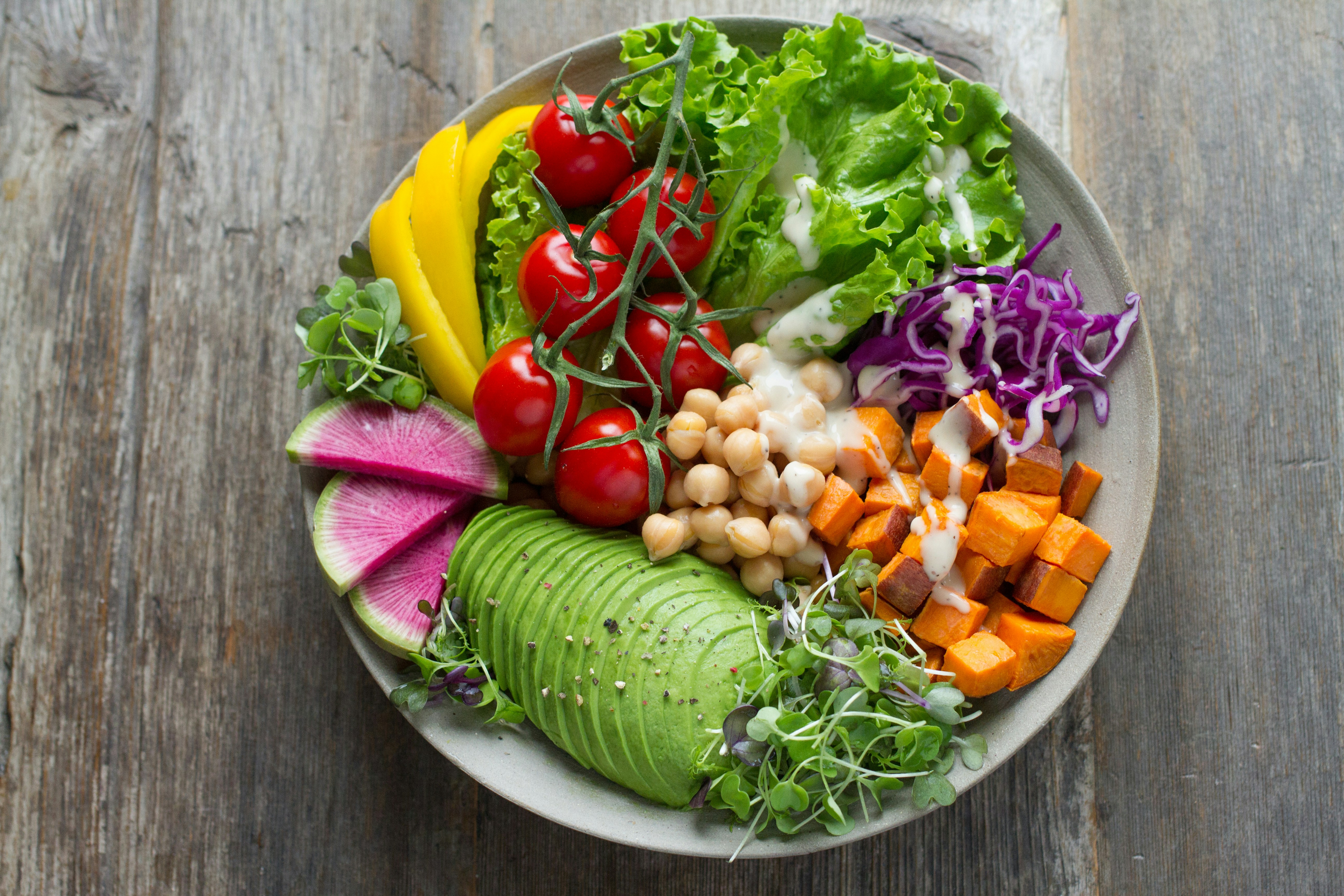
healthy balanced meal lifestyle gastritis prevention

How Lifestyle Gastritis Develops Gradually

Unlike infection-related gastritis, lifestyle gastritis usually progresses slowly:

  • Occasional discomfort
  • Intermittent burning
  • Meal-related symptoms
  • Persistent irritation
  • Chronic inflammation

This gradual onset is why many people ignore early signs.

What Changes Improved My Gastritis

Medication helped temporarily, but lasting improvement came from habit correction:

  • Regular meal timing
  • No coffee before food
  • Earlier dinners
  • Stress management
  • Consistent sleep

Symptoms reduced over months rather than days.

Can Lifestyle Gastritis Heal?

Yes. The stomach lining regenerates quickly when triggers are removed.

Clinical evidence shows mucosal recovery occurs once acid-injury balance normalizes.

However, continued harmful habits can maintain inflammation indefinitely.

When Lifestyle Changes Are Not Enough

  • Symptoms persist beyond 2–4 weeks
  • Severe pain
  • Vomiting
  • Bleeding signs
  • Weight loss

These require medical evaluation to rule out infection or ulcers.

Key Takeaway

Gastritis often reflects daily habits rather than disease alone.

Small routine choices — repeated every day — shape stomach health over time.

Correcting lifestyle factors early can prevent chronic inflammation and long-term digestive issues.


Medical References

  • NCBI — Gastritis Overview
  • World Journal of Gastroenterology — Gastritis Mechanisms
  • Cleveland Clinic — Gastritis

About the Author
This article is based on lived experience managing lifestyle-related gastritis in early adulthood, combined with peer-reviewed medical literature and clinical guidance.


Medical Disclaimer
This content is for informational purposes only and does not constitute medical advice, diagnosis, or treatment. Always consult a qualified healthcare professional.


Privacy Policy | Terms of Service | Contact | About the Author


📚 Complete Gastritis Resource Center

Explore our full evidence-based guide covering symptoms, causes, progression, and recovery strategies for gastritis.

🔎 Symptoms & Pain Location

⚡ Causes & Triggers

📊 Types & Progression

🛡 Prevention & Recovery

Main Hub: Return to GutReliefHub Home

13. Can Young Adults Get Gastritis?

Can Young Adults Get Gastritis? Causes, Symptoms, and Real-Life Triggers

Yes — young adults can absolutely get gastritis. I used to think stomach inflammation was something that only affected older people with long-term health issues. But in my early 20s, I started experiencing burning stomach pain, nausea after coffee, and unexplained bloating. Eventually, I learned that gastritis is increasingly common among people in their 20s and 30s.

This article explains why gastritis happens in young adults, what symptoms to watch for, and what actually helped me recover — based on medical evidence and real-life experience.

young adult stomach pain discomfort

Is Gastritis Common in Young Adults?

Yes. Medical studies show that gastritis is not limited to older adults. In fact, modern lifestyle factors have made stomach inflammation more common in younger populations.

Key reasons include:

  • Irregular eating patterns
  • High coffee and alcohol intake
  • Chronic stress
  • Frequent NSAID use
  • Helicobacter pylori infection

Many young adults ignore early symptoms because they assume they are “too young” for stomach disease — which often delays diagnosis.

My Experience: Gastritis in My 20s

My symptoms started subtly. I noticed stomach burning after skipping meals or drinking coffee on an empty stomach. At first, I blamed stress and ignored it.

But over months, symptoms worsened:

  • Burning upper stomach pain
  • Fullness after small meals
  • Nausea in the morning
  • Acidic burping
👉 Ultimate Guide to Gastritis

Eventually, I was diagnosed with gastritis. My doctor explained that young adults commonly develop gastritis from lifestyle stress rather than age-related factors.

Main Causes of Gastritis in Young Adults

1. Skipping Meals and Irregular Eating

Long gaps without food increase stomach acid exposure to the lining. This is one of the most common triggers in students and busy professionals.

2. Coffee on an Empty Stomach

Caffeine stimulates acid secretion. Drinking coffee before food can irritate the stomach lining over time.

3. Stress-Related Gastritis

Chronic stress alters stomach acid regulation and mucosal defense. Many young adults experience stress-induced gastritis during exams or work pressure.

4. NSAID Painkiller Use

Frequent use of ibuprofen or similar medications damages stomach protection. Learn more about medication-related irritation here: What Medications Cause Gastritis

5. Helicobacter pylori Infection

This bacterium is a leading cause worldwide and often acquired in childhood. Related symptoms explained here: Early Signs of Gastritis

Symptoms Young Adults Should Not Ignore

Gastritis symptoms in younger people are often mild but persistent.

  • Burning or gnawing stomach pain
  • Bloating after meals
  • Nausea
  • Early fullness
  • Acidic burping
  • Loss of appetite

If these symptoms last more than 1–2 weeks, evaluation is recommended.

young adult holding stomach pain

Why Gastritis Is Increasing in Younger People

Modern lifestyle patterns strongly affect stomach health:

  • Late-night eating
  • Energy drinks and caffeine
  • Alcohol and spicy fast foods
  • Sleep deprivation
  • Chronic stress

These factors weaken the stomach’s protective lining and increase inflammation risk.

How I Improved My Gastritis

Recovery required consistent lifestyle changes rather than quick medication fixes.

  • Eating regular meals
  • Avoiding coffee before food
  • Reducing NSAIDs
  • Managing stress
  • Sleeping earlier

Over several months, symptoms gradually decreased.

Diet strategies that helped are explained here: Best Diet for Gastritis

Can Gastritis in Young Adults Heal?

Yes. Gastritis in younger individuals often heals well once triggers are removed.

The stomach lining regenerates quickly compared to other tissues. However, untreated chronic inflammation can persist for years.

Early lifestyle correction greatly improves recovery.

When Young Adults Should See a Doctor

  • Symptoms persist more than 2 weeks
  • Unintentional weight loss
  • Vomiting
  • Black stools
  • Severe pain

These may indicate more serious conditions.

Key Takeaway

Gastritis is not an age-related disease. It is strongly influenced by lifestyle — which means young adults are increasingly affected.

Early symptoms are often mild, but ignoring them allows inflammation to become chronic.

With timely changes, gastritis in young adults is highly reversible.


Medical References

  • NCBI — Gastritis Overview
  • World Journal of Gastroenterology — Gastritis Pathophysiology
  • Cleveland Clinic — Gastritis

About the Author
This article is written from personal experience managing chronic gastritis in early adulthood, combined with evidence from peer-reviewed medical sources and clinical guidelines.


Medical Disclaimer
This content is for informational and educational purposes only and does not constitute medical advice, diagnosis, or treatment. Always consult a qualified healthcare professional for medical concerns.


Privacy PolicyTerms of Service | Contact | About the Author


📚 Complete Gastritis Resource Center

Explore our full evidence-based guide covering symptoms, causes, progression, and recovery strategies for gastritis.

🔎 Symptoms & Pain Location

⚡ Causes & Triggers

📊 Types & Progression

🛡 Prevention & Recovery

Main Hub: Return to GutReliefHub Home

10. Medication-Induced Gastritis

Medication-Induced Gastritis


Medication-Induced Gastritis: Symptoms, Causes, and How Common Drugs Irritate Your Stomach


A few years ago, I started taking ibuprofen more often than usual.

It wasn’t extreme. Just a few tablets a day for back pain. Nothing I considered dangerous. But after a couple of weeks, I noticed something new — a dull, burning sensation right below my ribs. It wasn’t sharp pain. It was more like a constant irritation that didn’t go away.

I adjusted my diet. Cut back on coffee. Ate earlier dinners. Still there.

That’s when I learned about medication-induced gastritis — and realized the problem wasn’t what I was eating.

It was what I was taking.

If you regularly use pain relievers or certain prescription medications, this is something you should understand.


What Is Medication-Induced Gastritis?

gastritis stomach inflammation illustration

Medication-induced gastritis happens when drugs irritate or weaken the stomach’s protective lining, causing inflammation.

Your stomach is built to handle strong acid. But it depends on protective mechanisms:

  • A mucus barrier
  • Bicarbonate secretion
  • Tight epithelial cells
  • Healthy blood flow
  • Continuous cell repair

Certain medications interfere with those defenses.

If you’d like a full explanation of how stomach inflammation develops, see: 👉 How Gastritis Develops in the Stomach


The Most Common Medications That Cause Gastritis

1. NSAIDs (Nonsteroidal Anti-Inflammatory Drugs)

This is the biggest category.

Examples include:

  • Ibuprofen
  • Aspirin
  • Naproxen

NSAIDs reduce pain and inflammation by blocking prostaglandins. The problem? Prostaglandins also protect your stomach lining.

  • Mucus production decreases
  • Acid damage increases
  • Micro-injuries form
  • Healing slows

Looking back, my daily ibuprofen use wasn’t extreme — but it was consistent. And consistency matters.


2. Aspirin (Even Low Dose)

Many adults take low-dose aspirin for heart protection.

  • Irritates the stomach lining
  • Increases bleeding risk
  • Contributes to chronic inflammation

Risk increases with age. See: 👉 How Age Affects Gastritis Risk


3. Corticosteroids

Steroids like prednisone increase irritation risk, especially with NSAIDs.

4. Certain Antibiotics

Some antibiotics irritate the stomach or alter gut balance.

5. Chemotherapy and Specialty Medications

Advanced treatments may irritate the gastrointestinal lining.


How Medication Damages the Stomach

Two main mechanisms:

Direct Irritation

Some medications physically irritate the stomach lining.

Reduced Protective Barrier

Others reduce mucus production or impair repair processes.

Alcohol interaction explained here: 👉 Alcohol-Related Gastritis Explained


👉 Ultimate Guide to Gastritis

Symptoms of Medication-Induced Gastritis

  • Burning upper abdominal pain
  • Nausea
  • Indigestion
  • Bloating
  • Early fullness
  • Occasional vomiting

Serious signs:

  • Vomiting blood
  • Black stools
  • Dizziness

Early warning signs: 👉 Early Warning Signs of Gastritis


Who Is at Higher Risk?

  • Daily NSAID use
  • Long-term aspirin
  • Age over 50
  • Alcohol use
  • H. pylori infection
  • Multiple irritant drugs

Diagnosis

  • Medication history review
  • H. pylori testing
  • Blood tests
  • Endoscopy if needed

Persistent symptoms require medical evaluation.


Treatment

  • Adjust or stop medication (doctor-guided)
  • Switch alternatives
  • PPIs
  • H2 blockers
  • Antacids
  • Treat H. pylori

Never stop prescribed drugs without medical advice.


Recovery Time

Mild irritation: days after stopping drug.
Chronic gastritis: weeks to months.


Prevention

  • Lowest effective NSAID dose
  • Take with food
  • Avoid alcohol
  • Ask about stomach protection

When to Seek Urgent Care

  • Vomiting blood
  • Black stools
  • Severe pain
  • Lightheadedness

Medical Disclaimer

This content is for informational purposes only and does not constitute medical advice. Always consult a qualified healthcare provider regarding medical concerns.


Policy Pages


📚 Complete Gastritis Resource Center

Explore our full evidence-based guide covering symptoms, causes, progression, and recovery strategies for gastritis.

🔎 Symptoms & Pain Location

⚡ Causes & Triggers

📊 Types & Progression

🛡 Prevention & Recovery

Main Hub: Return to GutReliefHub Home
9. Alcohol-Related Gastritis Explained

Alcohol-Related Gastritis Explained


Alcohol-Related Gastritis Explained: How Drinking Irritates Your Stomach Lining


I didn’t think my occasional weekend drinks could cause real stomach damage.

At first, it was just mild burning. Then nausea. Then that uncomfortable “raw” feeling in my upper abdomen the morning after. I brushed it off as a normal hangover — until the discomfort started lasting longer than the alcohol buzz.

That’s when I learned about alcohol-related gastritis.

If you’ve ever wondered whether drinking can inflame your stomach lining, the short answer is: yes, it can.

Let’s break it down clearly and simply.


👉 Ultimate Guide to Gastritis

What Is Alcohol-Related Gastritis?

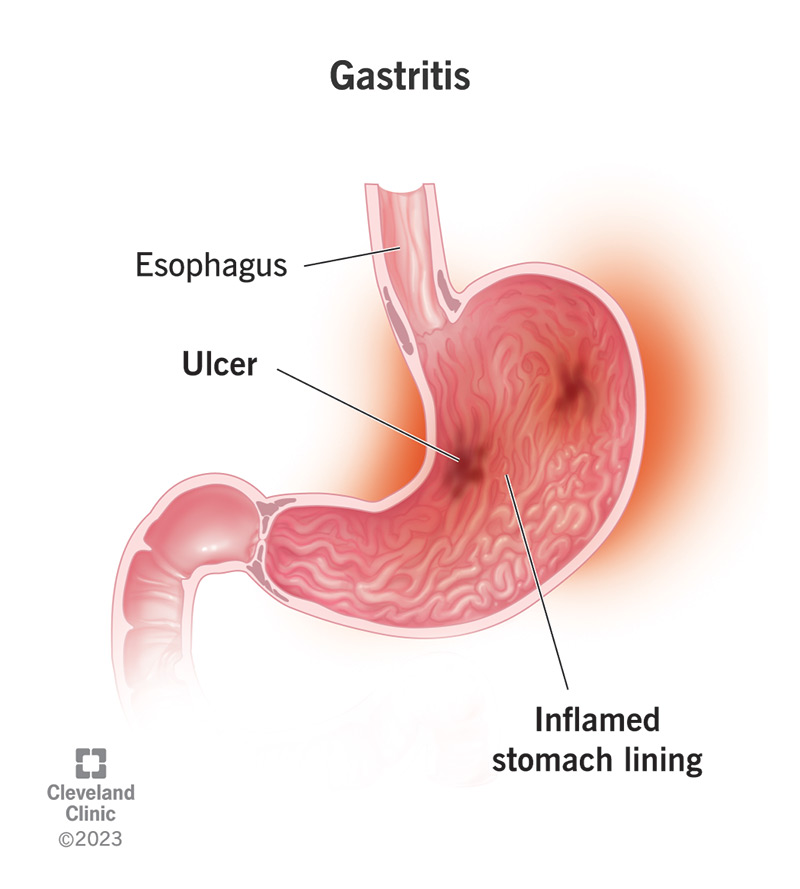
Alcohol-related gastritis stomach inflammation

Gastritis means inflammation of the stomach lining. Alcohol-related gastritis occurs when alcohol irritates and weakens the stomach’s protective barrier.

Your stomach normally protects itself with:

  • A thick mucus layer
  • Bicarbonate protection
  • Rapid cell repair

Alcohol disrupts all three.

If you want a foundational explanation of how inflammation begins, see:
👉 How Gastritis Develops in the Stomach


How Alcohol Damages the Stomach

Alcohol affects the stomach in several ways:

1. Increases Acid Production

Alcohol stimulates gastric acid secretion. More acid means more irritation if the lining is already weakened.

2. Weakens the Protective Mucus Layer

Alcohol reduces mucus production, leaving stomach tissue exposed to acid.

3. Triggers Inflammation

Alcohol directly irritates epithelial cells, leading to redness, swelling, and small erosions.

4. Slows Healing

Repeated drinking prevents the lining from fully recovering.

Reference:
https://www.ncbi.nlm.nih.gov/books/NBK441923/


Acute vs. Chronic Alcohol Gastritis

Acute Alcohol Gastritis

  • Occurs after heavy drinking
  • Sudden burning pain
  • Nausea or vomiting
  • May resolve within days if alcohol stops

Chronic Alcohol Gastritis

  • Develops from repeated drinking
  • Ongoing upper abdominal discomfort
  • Can lead to erosions or ulcers
  • May increase bleeding risk

Reference:
https://my.clevelandclinic.org/health/diseases/10349-gastritis


Symptoms of Alcohol-Related Gastritis

  • Burning pain in the upper abdomen
  • Nausea
  • Bloating
  • Loss of appetite
  • Vomiting
  • Feeling full quickly

Severe cases may include:

  • Vomiting blood
  • Black stools

👉 Early Warning Signs of Gastritis


Does Moderate Drinking Cause Gastritis?

Occasional moderate drinking may not cause lasting damage in healthy individuals. Risk increases if you:

  • Drink on an empty stomach
  • Combine alcohol with NSAIDs
  • Have H. pylori infection
  • Have prior gastritis

👉 Can Stress Cause Gastritis?


Who Is at Higher Risk?

  • Age over 50
  • Regular NSAID use
  • H. pylori infection
  • Liver disease
  • Heavy or binge drinking

👉 How Age Affects Gastritis Risk


How Long Does Alcohol Gastritis Last?

  • Depends on damage severity
  • Improves if alcohol stops
  • Longer if other risk factors exist

Mild irritation may improve within days. Chronic inflammation may take weeks or months.


How Doctors Diagnose It

  • Physical exam
  • Blood tests
  • H. pylori testing
  • Upper endoscopy if needed

Treatment Options

  • Stopping alcohol
  • Proton pump inhibitors
  • H2 blockers
  • Antacids
  • Treating H. pylori

Lifestyle change is essential for healing.


When to Seek Immediate Care

  • Vomiting blood
  • Black stools
  • Severe abdominal pain
  • Dizziness or fainting

Prevention Tips

  • Avoid drinking on empty stomach
  • Limit quantity
  • Avoid NSAIDs with alcohol
  • Stay hydrated
  • Watch early symptoms

Final Takeaway

Alcohol-related gastritis occurs when alcohol weakens the stomach’s protective lining. While occasional drinking may be tolerated, repeated exposure can cause inflammation, pain, and long-term damage.

Stopping alcohol allows the stomach to repair. Persistent symptoms should be medically evaluated.


References

  1. NIH – Gastritis Overview
    https://www.ncbi.nlm.nih.gov/books/NBK441923/
  2. Cleveland Clinic – Gastritis
    https://my.clevelandclinic.org/health/diseases/10349-gastritis

Medical Disclaimer: This article is for informational purposes only and does not constitute medical advice.


Privacy Policy |  Terms of Service | Contact | About the Author


📚 Complete Gastritis Resource Center

Explore our full evidence-based guide covering symptoms, causes, progression, and recovery strategies for gastritis.

🔎 Symptoms & Pain Location

⚡ Causes & Triggers

📊 Types & Progression

🛡 Prevention & Recovery

Main Hub: Return to GutReliefHub Home

52. Why Water Makes Gastritis Worse (Real Reason Explained)

Why Water Makes Gastritis Worse (Real Reason) Drinking water should help your stomach — that’s what most people expect. But if you hav...