
This blog is an informational blog that organizes health and lifestyle tips commonly encountered in daily life, based on reliable sources. It is not intended to replace medical diagnosis or treatment

Symptoms, Causes, Treatment, and Recovery Timeline
Ultimate Guide to Gastritis: Symptoms, Causes, Treatment, and Recovery Timeline
If you're dealing with gastritis, you're not alone. Millions of people experience stomach inflammation every year, often without fully understanding what’s causing it or how to properly treat it.
This ultimate guide covers everything you need to know about gastritis, from symptoms and causes to recovery timelines and proven treatment strategies.
What Is Gastritis?
Gastritis is inflammation of the stomach lining. It can occur suddenly (acute gastritis) or develop gradually over time (chronic gastritis).
- Acute gastritis: sudden onset, often triggered by alcohol or medication
- Chronic gastritis: long-term inflammation, often linked to bacterial infection
Common Symptoms of Gastritis
- Burning or gnawing stomach pain
- Nausea or vomiting
- Bloating after eating
- Loss of appetite
- Feeling full quickly
Symptoms can vary depending on the severity and underlying cause.
Main Causes of Gastritis
- Helicobacter pylori (H. pylori) infection
- Excessive alcohol consumption
- Frequent use of NSAIDs (like ibuprofen)
- Chronic stress
- Smoking
Foods to Avoid With Gastritis
- Spicy foods
- Fried and fatty foods
- Alcohol
- Coffee and caffeine
- Acidic foods (like citrus and tomatoes)
👉 Related: Foods to Avoid With Gastritis
Best Foods for Healing Gastritis
- Bananas
- Rice
- Boiled potatoes
- Oatmeal
- Lean proteins (chicken, fish)
How Long Does Gastritis Take to Heal?
| Type | Recovery Time |
|---|---|
| Acute Gastritis | 2–10 days |
| Chronic Gastritis | Several weeks to months |
👉 Related: How Long Does Gastritis Last?
Effective Treatment Options
- Proton pump inhibitors (PPIs)
- Antacids
- Antibiotics (for H. pylori)
- Dietary changes
- Stress management
When to See a Doctor
- Severe stomach pain
- Vomiting blood
- Black stools
- Symptoms lasting more than 1–2 weeks
Final Thoughts
Gastritis is manageable with the right approach. Identifying the cause, adjusting your diet, and following proper treatment can significantly speed up recovery.
For more detailed guides on specific symptoms and treatments, explore our related articles throughout the site.
4. Does Gastritis Cause Nausea? What It Feels Like
Nausea and Gastritis: Why Stomach Inflammation Makes You Feel Sick
Nausea is one of the most frustrating symptoms people experience with gastritis. Many readers assume nausea always means infection or food poisoning, but stomach lining inflammation alone can create a persistent sick feeling — sometimes even without pain.
I remember a phase when my stomach didn’t exactly hurt, but I constantly felt on the verge of vomiting, especially after meals. That lingering nausea turned out to be linked to mild gastritis irritation rather than a virus.
Why Gastritis Causes Nausea
The stomach lining contains sensory nerves that respond to inflammation and chemical irritation. When gastritis develops, these nerves send distress signals to the brain’s nausea center. Even small amounts of acid or food can trigger that uneasy sensation.
This explains why people with gastritis often feel sick after eating just a few bites. The stomach becomes hypersensitive, reacting to normal digestion as if something is wrong.
For many patients, nausea appears alongside burning stomach pain after eating, since both symptoms come from the same inflamed lining.
Common Nausea Triggers in Gastritis
Through both research and patient reports, several patterns appear repeatedly. Gastritis-related nausea often worsens with:
- Empty stomach acid exposure
- Coffee or acidic drinks
- Greasy or fried foods
- Alcohol
- Large meals
- Stress-related stomach tension
I noticed my nausea was strongest in the morning before breakfast — a classic gastritis pattern where acid irritates an unprotected lining.

Nausea Without Severe Pain: A Common Gastritis Pattern
Many people worry when nausea occurs without sharp pain, but gastritis frequently presents this way. Mild inflammation may not create intense pain yet still disturb stomach signaling.
This is especially common in early or superficial gastritis stages. Readers who also experience vague pressure or discomfort may relate to upper abdominal discomfort explained, another subtle symptom pattern.
How Gastritis Nausea Differs From Food Poisoning
Understanding the difference helps reduce anxiety. Gastritis nausea usually:
- Lasts days or weeks
- Fluctuates with meals
- Improves with gentle eating
- Appears with acid symptoms
Food poisoning nausea typically comes with vomiting, fever, or diarrhea and resolves faster.
Gentle Ways to Reduce Gastritis-Related Nausea
Because the root problem is irritation, the goal is reducing stomach stimulation while healing occurs.
- Eat small, frequent meals
- Avoid long fasting gaps
- Choose low-fat, low-acid foods
- Eat slowly
- Stay upright after meals
Personally, switching to smaller portions made the biggest difference. Large meals stretched my stomach and triggered nausea almost immediately.
Long-term prevention also overlaps with lifestyle habits that cause gastritis, since daily irritation patterns often sustain symptoms.
When Nausea Signals More Than Gastritis
Although common, persistent nausea should not be ignored. Medical evaluation is important if nausea:
- Lasts more than several weeks
- Includes weight loss
- Causes vomiting
- Occurs with black stool
These signs may indicate ulcers or other digestive disease rather than simple gastritis.
Key Takeaway
Nausea from gastritis comes from inflammation-sensitive stomach nerves reacting to acid and food. It may appear even without severe pain and often fluctuates with meals. Reducing irritation and supporting lining recovery usually improves symptoms gradually.
This article is based on medical literature on gastritis symptoms and patient-reported digestive patterns. It is intended for educational purposes only.
📚 Complete Gastritis Resource Center
Explore our full evidence-based guide covering symptoms, causes, progression, and recovery strategies for gastritis.
🔎 Symptoms & Pain Location
- Where Is Gastritis Pain Felt?
- Upper Abdominal Discomfort Explained
- Chest Tightness & Gastritis
- Nighttime Gastritis Symptoms
- Frequent Burping & Gastritis
- Loss of Appetite & Gastritis
- Nausea and Gastritis
- Early Warning Signs
⚡ Causes & Triggers
- Common Causes of Gastritis
- Medication-Induced Gastritis
- Alcohol-Related Gastritis
- Can Stress Cause Gastritis?
- Lifestyle Triggers
- How Age Affects Risk
- Gastritis in Young Adults
📊 Types & Progression
- Acute vs Chronic Gastritis
- When Gastritis Becomes Chronic
- Mild vs Severe Gastritis
- How Gastritis Develops
- Gastritis Without Pain
🛡 Prevention & Recovery
- Can Gastritis Be Prevented?
- Understanding the Stomach Lining
- What Doctors Mean by Stomach Inflammation
- Morning Stomach Pain Causes
- Bloating After Meals
Main Hub: Return to GutReliefHub Home
47.What to Eat During a Gastritis Flare-Up (Safe Foods That Calm Your Stomach Fast)
During a gastritis flare-up, choosing the right foods is critical to avoid worsening stomach pain, irritation, and inflammation.
If you’ve ever had a gastritis flare-up, you know how quickly things can spiral. One wrong bite, and suddenly your stomach is burning, bloated, and completely out of control.
I’ve been there more times than I can count. During my worst flare-ups, even foods that were usually safe started causing discomfort.
If you're dealing with gastritis, these guides may help you:
What a Gastritis Flare-Up Feels Like

-
👉
Ultimate Guide to Gastritis
- Burning pain in the upper stomach
- Nausea that comes in waves
- Bloating after small meals
1. Rice Porridge (Best Recovery Food)
Soft, warm, and extremely easy to digest. This was my main food during flare-ups.
2. Oatmeal
Plain oatmeal helped calm my stomach and kept me full without irritation.
symptoms that get worse after eating
This is especially important during flare-ups. Here's a complete breakdown of safe foods:
What to eat during a gastritis flare-up
Many people make their symptoms worse by eating the wrong foods. If you're unsure what to avoid, check this guide:
3. Bananas
Easy to digest and great when nausea is present.
4. Boiled Potatoes
Bland and filling without triggering acid.
5. Soft Eggs

Only after symptoms improve. Keep low-fat.
6. Toast
White toast works better than whole grain during flare-ups.
Foods to Avoid
- Coffee
- Spicy food
- Fried food
- Citrus
- Alcohol
Recovery Routine
- Morning: oatmeal
- Lunch: porridge
- Snack: banana
- Dinner: toast or potatoes
Warning Signs
severe gastritis warning signs
Disclaimer
This content is not medical advice. Consult a healthcare professional.
References
Policy
Privacy Policy | Terms | Contact | About
46.Best Breakfast for Gastritis: What to Eat Without Stomach Pain
Safe Breakfast Ideas for Gastritis (Real-Life Healing Foods That Worked for Me)
If you’ve ever woken up with that burning, uneasy feeling in your stomach, you know how stressful breakfast can be. I used to skip it entirely because almost everything made my gastritis worse. But over time, I found safe, gentle foods that actually helped my stomach heal instead of irritating it.
This guide isn’t just theory — it’s based on what actually worked for me while dealing with recurring flare-ups.
If you're dealing with gastritis, these guides may help you:
Why Breakfast Matters More Than You Think
When you have gastritis, your stomach lining is already inflamed. Skipping meals can actually make things worse because stomach acid builds up with nothing to buffer it.
I learned this the hard way. On days I skipped breakfast, my symptoms like
👉 bloating, nausea, and burning pain got noticeably worse.
If you’re unsure why symptoms feel stronger in the morning, read this:
morning stomach pain causes explained
My Rule for a “Safe Breakfast”
After months of trial and error, I followed three simple rules:
- Soft texture (easy to digest)
- Low acid
- Low fat
Anything outside these rules? Instant regret.
1. Oatmeal (My #1 Safe Food)

Oatmeal became my daily go-to.
It’s soft, filling, and doesn’t trigger acid production. I usually ate it plain or with sliced bananas.
Why it works:
- Coats the stomach lining
- Reduces irritation
- Keeps you full without heaviness
On bad days, this was the only food I could tolerate.
2. Bananas (Gentle and Reliable)
Bananas are naturally low-acid and very easy on the stomach.
I often paired them with oatmeal or ate one alone when my stomach felt sensitive.
If you’re dealing with appetite loss, this helped me a lot:
loss of appetite due to gastritis
3. Scrambled Eggs (Soft and Simple)

Eggs can be tricky.
Fried eggs made my symptoms worse, but soft scrambled eggs with minimal oil were okay.
Tip from experience:
- Avoid butter-heavy cooking
- Keep it simple
4. Toast (But Choose Carefully)
White toast worked better for me than whole grain in the early stages.
Whole grains sometimes felt too rough on my stomach lining.
If you often feel discomfort after eating, check this:
symptoms that get worse after eating
Plain oatmeal helped calm my stomach and kept me full without irritation.
symptoms that get worse after eating
This is especially important during flare-ups. Here's a complete breakdown of safe foods:
What to eat during a gastritis flare-up
5. Yogurt (Only If You Tolerate It)

This one depends on your body.
For me:
- Plain yogurt = okay
- Flavored yogurt = trigger
If you notice nausea alongside gastritis, this may help:
nausea and gastritis guide
6. Rice Porridge (Underrated but Powerful)
This was my “recovery meal” during flare-ups.
Soft, warm, and extremely easy to digest.
It helped especially when I had severe symptoms like:
gastritis flare ups explained
Foods I Avoided Completely in the Morning
Based on painful experience:
- Coffee (huge trigger)
- Citrus fruits
- Spicy foods
- Fried foods
- Processed meats
If you’re unsure why certain foods trigger pain, read:
common causes of gastritis
My Real Morning Routine (That Finally Worked)
Here’s what a typical safe morning looked like for me:
- Warm water first
- Oatmeal with banana
- Optional yogurt (if feeling okay)
No coffee. No shortcuts.
Within a week, I noticed:
- Less burning
- Reduced bloating
- More stable energy
Small Habit That Made a Huge Difference
I stopped eating fast.
Seriously — eating slowly changed everything.
When I rushed meals, I always ended up with:
bloating after meals and gastritis
Final Thoughts (From Experience)
Healing gastritis isn’t about finding a “perfect food.”
It’s about:
- Consistency
- Simplicity
- Listening to your body
Breakfast became my foundation for recovery.
Once I fixed that, everything else improved.
Important Disclaimer
This content is based on personal experience and general research.
It is not medical advice. Always consult a healthcare professional for diagnosis or treatment.
Research & References
- National Institute of Diabetes and Digestive and Kidney Diseases
https://www.niddk.nih.gov/ - Cleveland Clinic – Gastritis Overview
https://my.clevelandclinic.org/ - Mayo Clinic – Gastritis
https://www.mayoclinic.org/
Policy Pages
Privacy Policy |Terms of Service |Contact |About the Author
End of Post
45.Can Spicy Food Trigger Gastritis? Why It Made My Symptoms Worse
Can Spicy Food Trigger Gastritis? (What I Learned the Hard Way)
I used to think spicy food wasn’t a big deal.
I grew up eating it regularly, and even after my gastritis started, I didn’t immediately connect the two.
But over time, I started noticing a pattern — every time I ate something spicy, my symptoms came back stronger.
At first, I ignored it. Later, I realized it was one of the biggest triggers slowing my recovery.
If you're dealing with gastritis, these guides may help you:
What Spicy Food Does to an Inflamed Stomach
👉 Ultimate Guide to GastritisWhen your stomach lining is already irritated, spicy food can make it worse.
It doesn’t cause gastritis by itself in most cases, but it can definitely trigger symptoms and delay healing.
If you want to understand how gastritis develops in the first place:
How gastritis develops in the stomach
The key problem is sensitivity. Once your stomach is inflamed, even normal foods can feel aggressive.
My Experience: “Just a Little Spicy” Was Enough
I remember eating a mildly spicy meal thinking it would be fine.
Within an hour, I felt a burning sensation in my upper stomach.
The next day, I had nausea and couldn’t eat much.
This wasn’t a one-time thing — it happened again and again.
Eventually, I realized my stomach was still healing, even when symptoms seemed mild.
If symptoms come and go like this:
Gastritis symptoms that come and go
What Gastritis Feels Like After Trigger Foods
(This is very similar to what I experienced after spicy meals)

Symptoms That Got Worse After Eating Spicy Food
- Burning pain in the upper abdomen
- Acidic taste in the mouth
- Feeling full quickly
- Nausea, especially in the morning
If you recognize these symptoms, these guides helped me connect the dots:
Acidic taste in mouth explained
Why Spicy Food Feels Worse With Gastritis
When your stomach is healthy, spicy food might cause temporary discomfort.
But with gastritis, your protective lining is weakened.
That means even mild spice can irritate exposed areas and increase inflammation.
This is similar to what happens during flare-ups:

Plain oatmeal helped calm my stomach and kept me full without irritation.
symptoms that get worse after eating
This is especially important during flare-ups. Here's a complete breakdown of safe foods:
What to eat during a gastritis flare-up
The Turning Point: Avoiding Spicy Food Completely
At some point, I stopped trying to “test” my limits.
I completely removed spicy food from my diet.
Within a couple of weeks, I noticed real changes:
- Less burning sensation
- More stable digestion
- Better appetite
It wasn’t instant, but it was consistent.
How Long Should You Avoid Spicy Food?
This depends on your recovery stage.
For me, it took longer than expected before I could even think about reintroducing it.
If you're unsure about recovery timelines:
How long gastritis symptoms last
Rushing it only delayed healing.
Common Mistake People Make

“It’s only a little spicy — it should be fine.”
I thought the same thing.
But when your stomach is healing, even small triggers matter.
Understanding severity helped me a lot:
What Actually Helped My Recovery
- Completely avoiding spicy food
- Eating simple, non-irritating meals
- Reducing stress
- Maintaining regular eating times
Stress was another hidden factor:
Final Thoughts (From Experience)
Spicy food wasn’t the original cause of my gastritis — but it was a major reason I wasn’t getting better.
Once I removed it completely, my symptoms started improving steadily.
If you're stuck in a cycle of flare-ups, it might be worth taking a break from spicy foods longer than you think.
Medical Disclaimer
This content is for informational purposes only and does not constitute medical advice. Always consult a qualified healthcare provider.
Sources
National Institute of Diabetes and Digestive and Kidney Diseases (NIDDK)
https://www.niddk.nih.gov
Mayo Clinic
https://www.mayoclinic.org
Privacy Policy | Terms of Service | Contact | About the Author
44. Alcohol and Gastritis: What I Learned the Hard Way (And What Helps)
How Alcohol Affects Gastritis Recovery (What I Learned the Hard Way)
I didn’t think a few drinks would matter.
At first, my gastritis felt manageable — just mild burning and occasional nausea. So I kept drinking socially, assuming it wouldn’t make a difference.
That assumption delayed my recovery more than anything else.
What I eventually learned is simple: alcohol doesn’t just slow healing — it can completely reset it.
If you're dealing with gastritis, these guides may help you:
👉 Ultimate Guide to Gastritis
What Alcohol Does to an Inflamed Stomach

When your stomach lining is already irritated, alcohol makes things worse fast.
It increases acid production, weakens your stomach’s protective layer, and keeps inflammation active.
If you want to understand the root cause, this explains it clearly:
How gastritis develops in the stomach
My Experience: One Drink Set Me Back
I remember drinking just one beer after feeling “better.”
Within hours, the burning came back. The next day, nausea followed.
It felt like I had erased a week of progress overnight.
This cycle kept repeating until I finally recognized the pattern.
If you're dealing with sudden symptom return, this may help:
Why Recovery Takes Time
The stomach lining needs consistency to heal.
Alcohol interrupts that process every single time, even in small amounts.
If you're wondering how long recovery takes:
How long gastritis symptoms last
Symptoms That Got Worse After Drinking
- Burning stomach pain
- Loss of appetite
- Morning nausea
- Feeling full quickly
If these sound familiar:
Fullness after small meals explained
The Turning Point: Completely Stopping Alcohol
Not reducing. Not limiting. Completely stopping.
Within weeks, I noticed real changes:
- Less burning
- Better appetite
- More stable digestion
Consistency mattered more than anything.
Plain oatmeal helped calm my stomach and kept me full without irritation.
symptoms that get worse after eating
This is especially important during flare-ups. Here's a complete breakdown of safe foods:
What to eat during a gastritis flare-up
What Actually Helped Me Heal
- No alcohol at all
- Smaller meals
- Lower stress
- Better sleep
Stress was another major trigger:
Biggest Mistake to Avoid
“I feel better, so I can drink again.”
This is where many people relapse.
Feeling better doesn’t mean fully healed.
Understand the difference here:
Final Thoughts
Healing only starts when triggers are fully removed.
For me, alcohol was the biggest hidden reason I wasn’t improving.
Once I stopped completely, recovery finally moved forward.
Medical Disclaimer
This content is for informational purposes only and does not constitute medical advice. Consult a healthcare professional for diagnosis and treatment.
Sources
National Institute of Diabetes and Digestive and Kidney Diseases (NIDDK)
https://www.niddk.nih.gov
Mayo Clinic
https://www.mayoclinic.org
43.Is Coffee Bad for Gastritis? Why It Made My Symptoms Worse
Is Coffee Bad for Gastritis? What I Learned the Hard Way
Permalink: /coffee-gastritis
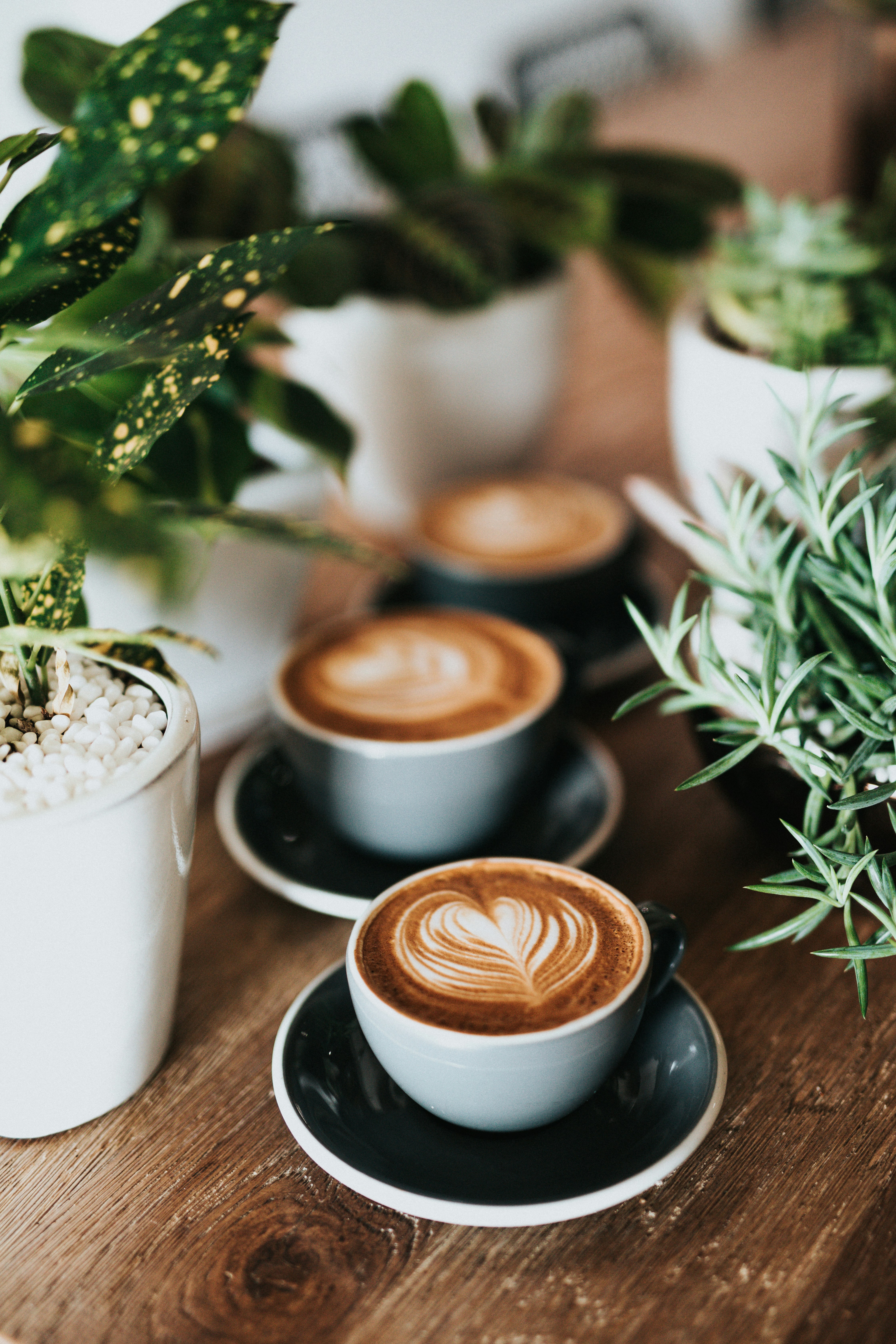
I used to start every morning with coffee. It felt harmless—almost necessary. But when I began dealing with gastritis, things changed fast.
At first, I didn’t connect the pain to coffee. The burning feeling, nausea, and discomfort seemed random. But over time, a pattern became clear. Every time I drank coffee on an empty stomach, my symptoms got worse.
If you're wondering whether coffee is bad for gastritis, the short answer is: it can be. But the full story is more nuanced—and understanding it can make a big difference in your recovery.
If you're dealing with gastritis, these guides may help you:
What Happens When You Drink Coffee with Gastritis?
Coffee stimulates stomach acid production. For a healthy stomach, this isn't usually a problem. But when your stomach lining is already inflamed, like in gastritis, that extra acid can irritate it further.
This often leads to:
- Burning stomach pain
- Nausea
- Acid reflux
- Bloating
I personally noticed that even a small cup could trigger symptoms, especially during flare-ups. It wasn’t just the caffeine—the acidity played a role too.
If your symptoms feel worse after eating, you might relate to this experience: symptoms that get worse after eating.
Is It the Caffeine or the Acidity?
This was something I struggled to understand at first.
Coffee affects gastritis in two main ways:
- Caffeine: increases acid production
- Acidity: directly irritates the stomach lining
Even decaf coffee can cause problems, which surprised me. That’s when I realized it wasn’t just about caffeine—it was the overall chemical composition of coffee.
My Personal Experience with Coffee and Gastritis
There was a time I tried to “push through” the discomfort. I thought my body would adjust. Instead, my symptoms got worse.
The turning point came during a bad flare-up. I had severe burning pain and nausea that lasted for hours. That day, I decided to completely stop coffee.
Within a week, my symptoms improved noticeably.
If you’re dealing with repeated flare-ups, this might sound familiar: gastritis flare-ups explained.
Can You Still Drink Coffee with Gastritis?
The honest answer: it depends on your condition.
Some people can tolerate small amounts, especially:
- After eating (never on an empty stomach)
- Low-acid coffee
- Cold brew (less acidic)
But during active gastritis, it’s usually best to avoid coffee completely.
If your gastritis is more severe, you should also understand: severe gastritis warning signs.
Plain oatmeal helped calm my stomach and kept me full without irritation.
symptoms that get worse after eating
This is especially important during flare-ups. Here's a complete breakdown of safe foods:
What to eat during a gastritis flare-up
Better Alternatives I Tried
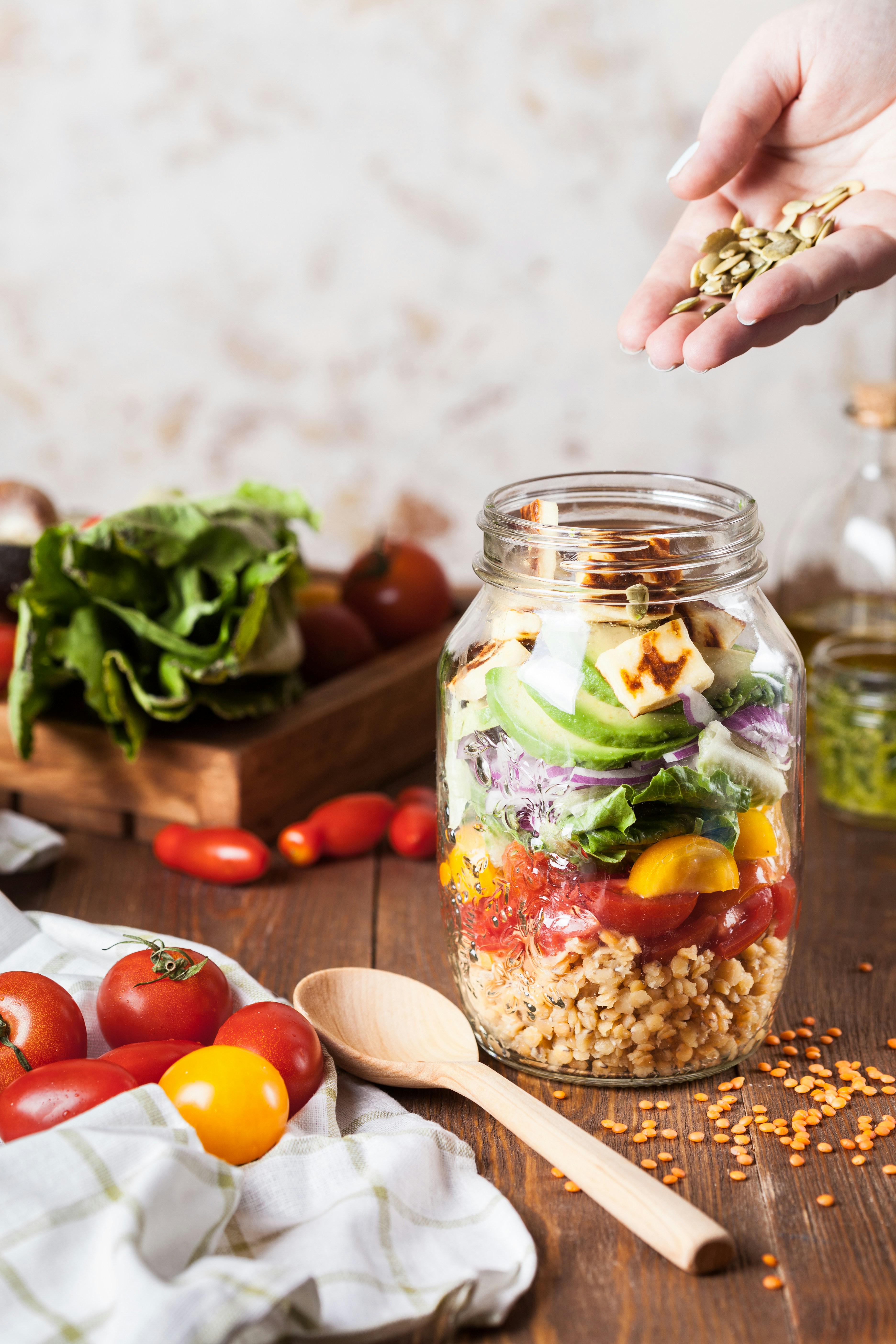
Giving up coffee wasn’t easy, but I found alternatives that helped:
- Chamomile tea
- Ginger tea
- Warm water with honey
These didn’t just replace coffee—they actually helped soothe my stomach.
If you’re struggling with nausea, this guide may help: nausea and gastritis.
When Coffee Makes Gastritis Worse
From experience, coffee is most harmful when:
- Drunk on an empty stomach
- Consumed frequently throughout the day
- Combined with stress
Stress itself can worsen gastritis significantly. I noticed that on stressful days, even a small amount of coffee triggered symptoms.
This connection is explained well here: can stress cause gastritis.
Should You Quit Coffee Completely?
In my case, quitting—at least temporarily—was the best decision.
After my symptoms improved, I slowly reintroduced small amounts. Even now, I’m careful. I never drink coffee on an empty stomach anymore.
If your symptoms are ongoing, it might help to understand the bigger picture: gastritis symptoms duration.
Final Thoughts
Coffee isn’t “bad” for everyone. But if you have gastritis, it can easily become a trigger.
Listening to your body is key. For me, cutting out coffee was a turning point in recovery.
If you're unsure, try eliminating it for a week and observe the changes. You might be surprised how much better you feel.
Medical Disclaimer
This content is for informational purposes only and is not a substitute for professional medical advice. Always consult a qualified healthcare provider regarding any medical condition.
Sources
Mayo Clinic
Cleveland Clinic
NCBI Research Database
Privacy Policy | Terms of Service | Contact | About the Author
42. Foods to Avoid With Gastritis
Foods to Avoid With Gastritis (What Made My Symptoms Worse)
I didn’t realize how much food was affecting my stomach until things got worse.
At first, it wasn’t obvious. I thought stress was the main problem. But over time, I noticed a pattern.
Every time I ate certain foods, my symptoms came back.
Burning. Bloating. That uncomfortable heavy feeling.
It didn’t happen instantly—but it always followed the same triggers.
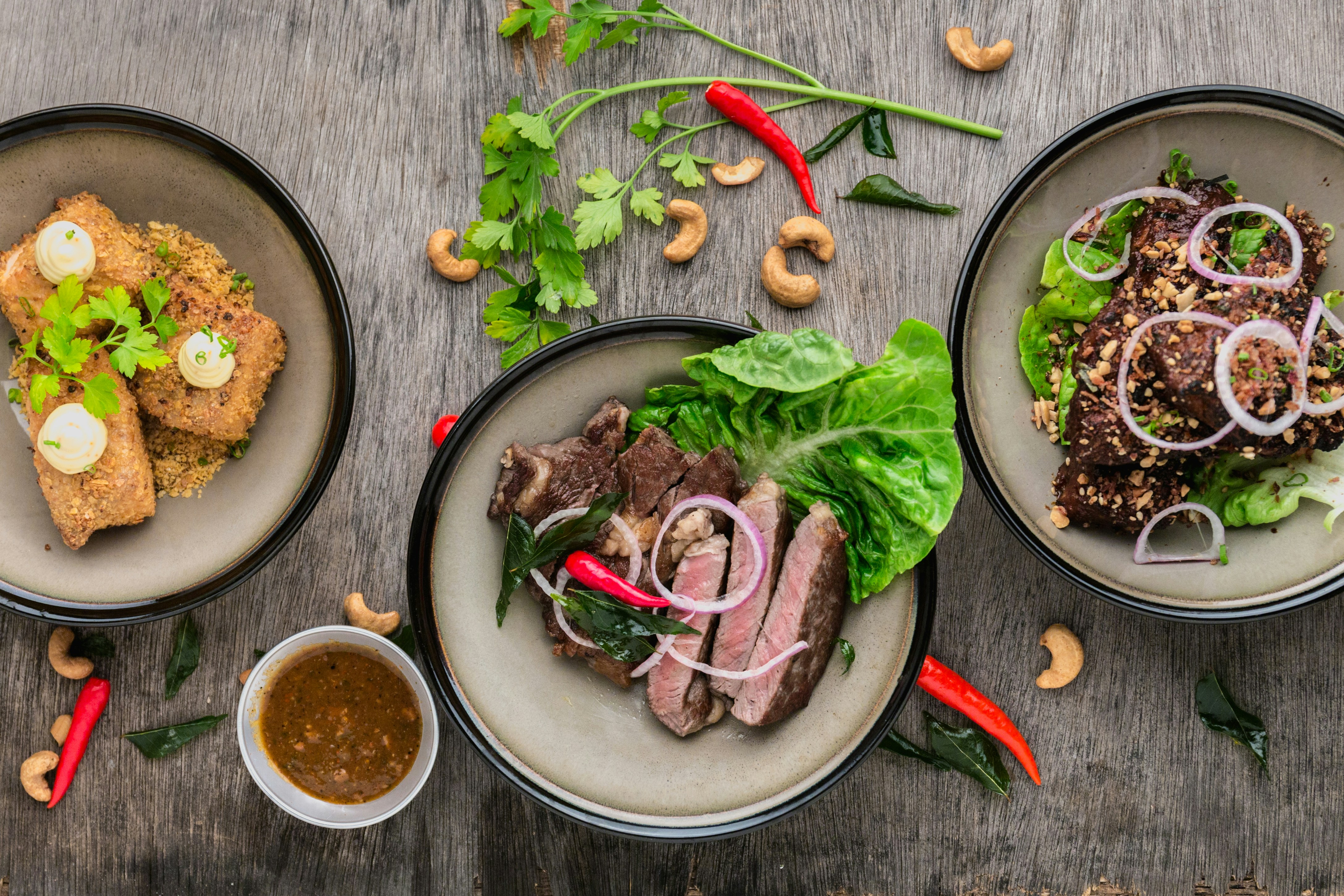
Why Diet Matters More Than You Think
Gastritis is not just about inflammation—it’s about sensitivity.
When your stomach lining is already irritated, certain foods can make it worse almost immediately.
I learned this after reading about common causes of gastritis and realizing my daily habits were part of the problem.
Even foods that seem normal can become triggers when your stomach is inflamed.
1. Spicy Foods
This was the hardest one for me to accept.
I used to eat spicy food almost every day. But once my symptoms started, it became a clear trigger.
Even mild spice caused discomfort.
I later connected this to how gastritis develops in the stomach .
The lining becomes sensitive, and spice just adds more irritation.
2. Coffee (Especially on an Empty Stomach)
This one surprised me.
I thought coffee was harmless. But drinking it first thing in the morning made everything worse.
It increased acidity and triggered burning sensations.
This matched what I later read in morning stomach pain causes .
Now I never drink coffee without food.
3. Fried and Greasy Foods
Fast food became a problem quickly.
After eating fried meals, I felt heavy, bloated, and uncomfortable for hours.
This connects closely with gastritis and indigestion .
Greasy foods slow digestion and increase irritation.
4. Alcohol
This is one of the biggest triggers.
Even small amounts made my symptoms flare up.
I later found detailed explanations in alcohol related gastritis explained .
Alcohol directly damages the stomach lining.
Once I stopped drinking, I noticed a clear improvement.
5. Acidic Foods
Foods like tomatoes, citrus fruits, and vinegar-based dishes caused discomfort.
They increased the burning feeling, especially after meals.
This often linked to symptoms that get worse after eating .
I didn’t eliminate them completely—but I reduced them significantly.
6. Processed and Packaged Foods
This includes chips, instant meals, and processed snacks.
They didn’t always cause immediate pain—but over time, they made my symptoms worse.
I noticed more frequent flare-ups after eating them.
This matched what I learned from gastritis flare ups explained .
7. Carbonated Drinks
Soda and sparkling drinks caused bloating almost instantly.
The gas buildup increased pressure in my stomach.
This made symptoms like burping worse, similar to frequent burping and gastritis .
What I Noticed Over Time
At first, I thought each symptom was random.
But after tracking what I ate, a pattern became clear.
My symptoms were directly linked to my diet.
Once I removed these trigger foods, things started to improve slowly.
Not instantly—but noticeably.
Small Changes That Helped Me
- Eating smaller meals
- Avoiding late-night eating
- Reducing caffeine
- Drinking more water
- Choosing simple, bland foods
These changes didn’t cure everything—but they reduced the intensity of my symptoms.
Important Realization
One thing I wish I understood earlier:
Gastritis is not just about what you eat—it’s about how your stomach reacts.
Everyone’s triggers can be slightly different.
But the foods listed above are the most common ones that cause problems.
When to Be Careful
- If symptoms happen after eating
- If discomfort keeps returning
- If certain foods always trigger pain
These are signs your stomach needs attention.
Medical Disclaimer
This content is for informational purposes only and does not constitute medical advice. Always consult a qualified healthcare professional for diagnosis and treatment.
References
National Institute of Diabetes and Digestive and Kidney Diseases (NIDDK)
Mayo Clinic – Gastritis Overview
Cleveland Clinic – Digestive Health
Privacy Policy | Terms of Service | Contact | About the Author
41. Best Foods for Gastritis Relief
Best Foods for Gastritis Relief (What Actually Helped Me Heal)
I didn’t realize how much food affected my stomach until things got worse.
At first, it was just mild discomfort — similar to mild gastritis symptoms — but over time, even simple meals started triggering pain.
That’s when I knew I had to change what I was eating.
👉 Ultimate Guide to Gastritis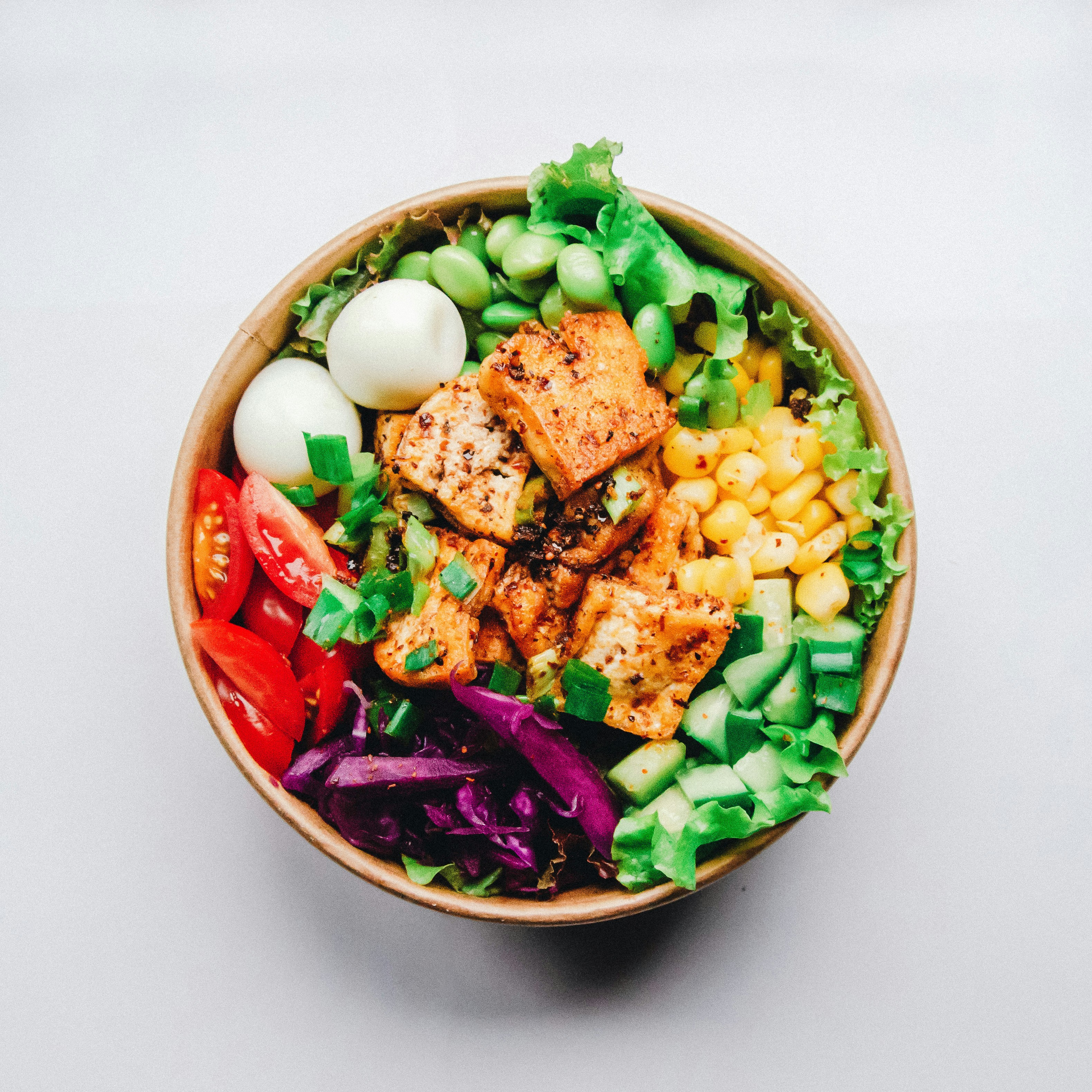
Why Food Matters More Than You Think
Gastritis isn’t just about acid — it’s about how your stomach lining reacts.
Certain foods can calm inflammation, while others make it worse, especially if you're already experiencing symptoms that get worse after eating.
I learned this the hard way.
Best Foods for Gastritis Relief
1. Bananas
Bananas were one of the first foods I could tolerate. They’re soft, low in acid, and easy to digest.
2. Oatmeal
Oatmeal became my go-to breakfast. It helped stabilize my stomach without irritation.
3. Boiled Potatoes
Simple, bland, and surprisingly filling. They didn’t trigger any discomfort.
4. White Rice
Rice is easy on the stomach and works well during flare-ups.
If you experience frequent flare-ups, this helps explain it: gastritis flare-ups explained
5. Yogurt (Low-fat)
Some yogurts contain probiotics that may help balance gut bacteria.
6. Boiled Chicken
Lean protein without grease or spice made a big difference for me.
7. Steamed Vegetables
Carrots, zucchini, and spinach were easier to tolerate than raw vegetables.
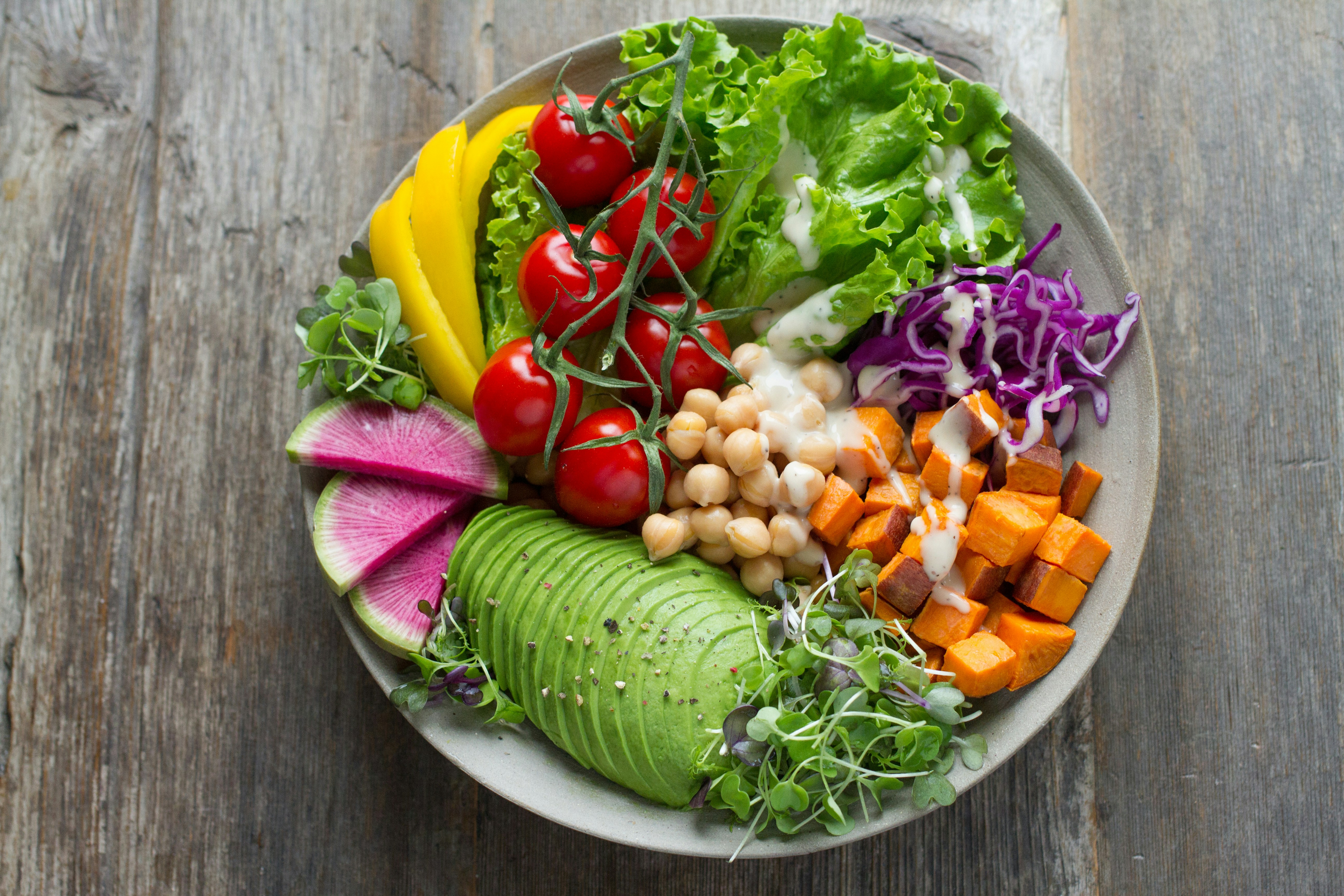
Foods That Made My Symptoms Worse
These were the biggest triggers for me:
- Spicy foods
- Fried foods
- Coffee on an empty stomach
- Alcohol
- Carbonated drinks
Alcohol was especially bad. If you’ve experienced this, you’re not alone — it’s closely linked to alcohol-related gastritis.
My Personal Turning Point
I ignored my diet for too long.
Eventually, my symptoms started lasting longer and becoming more intense — similar to recurrent gastritis symptoms.
That’s when I made a serious change.
Simple Eating Rules That Helped Me
- Eat smaller meals
- Avoid eating late at night
- Stick to bland foods during flare-ups
- Drink water regularly
These habits also helped reduce issues like gastritis and indigestion.
When Diet Alone Isn’t Enough
If symptoms persist despite diet changes, it may indicate something more serious.
Watch for warning signs here: severe gastritis warning signs
What I Wish I Knew Earlier
Food is not just fuel — it’s either helping you heal or making things worse.
Once I started eating the right foods, my symptoms slowly improved.
Not overnight — but steadily.
Medical Disclaimer
This content is for informational purposes only and does not constitute medical advice. Always consult a healthcare professional.
References
National Institute of Diabetes and Digestive and Kidney Diseases (NIDDK)
Mayo Clinic – Gastritis Overview
Cleveland Clinic – Digestive Health
Harvard Health Publishing
Privacy Policy | Terms of Service | Contact | About the Author
40.Gastritis Symptoms People Often Ignore (And Why They Matter)
40 Symptoms People Often Ignore That May Signal Gastritis
For a long time, I didn’t think anything was wrong with my stomach.
There was no sharp pain. No emergency. Nothing that made me stop my day.
Just small things… easy to brush off.
Looking back, those small signals were my body trying to warn me early.
Why Ignoring Small Symptoms Is Risky
I used to think gastritis only meant severe pain.
But I later learned that even mild gastritis symptoms can slowly build into something worse.
If you’ve ever wondered how serious it can get, I recommend reading this: when gastritis becomes chronic
40 Symptoms People Often Ignore
Early Digestive Changes
- 1. Feeling full after small meals
- 2. Loss of appetite
- 3. Mild bloating after eating
- 4. Slow digestion feeling
- 5. Light stomach pressure
I personally noticed this first — especially the fullness after small meals. It didn’t seem serious at the time.
Discomfort & Pain Signals
- 6. Burning sensation after meals
- 7. Dull upper abdominal discomfort
- 8. Pain that comes and goes
- 9. Pain worse after eating
- 10. Mild stomach cramps
If your symptoms get worse after meals, this explains it clearly: symptoms that get worse after eating
Gas & Digestive Reactions
- 11. Frequent burping
- 12. Excess gas
- 13. Acidic taste in mouth
- 14. Mild nausea
- 15. Occasional indigestion
I ignored frequent burping for months until I read this: frequent burping and gastritis
Inconsistent Symptoms
- 16. Symptoms that disappear and return
- 17. Feeling fine some days, bad others
- 18. Random nausea without cause
- 19. Light discomfort in mornings
- 20. Nighttime stomach irritation
This pattern is surprisingly common: gastritis symptoms that come and go

Hidden Warning Signs
- 21. Fatigue without clear reason
- 22. Mild dizziness
- 23. Stress-related stomach discomfort
- 24. Chest tightness feeling
- 25. Back discomfort linked to digestion
Stress played a bigger role than I expected: stress-triggered gastritis symptoms
Progression Indicators
- 26. Symptoms lasting longer than usual
- 27. Increased sensitivity to foods
- 28. Stronger flare-ups
- 29. Recurrent symptoms
- 30. Reduced tolerance to coffee or alcohol
Flare-ups can feel unpredictable: gastritis flare-ups explained
Advanced Signals You Shouldn’t Ignore
- 31. Persistent nausea
- 32. Vomiting
- 33. Weight loss
- 34. Severe discomfort after eating
- 35. Ongoing upper abdominal pain
If symptoms escalate, read this carefully: severe gastritis warning signs
Situational Triggers
- 36. Symptoms during fasting
- 37. Pain after spicy foods
- 38. Symptoms triggered by stress
- 39. Symptoms in your 20s
- 40. Symptoms without obvious pain
Even without pain, gastritis can still exist: gastritis without pain
What I Realized Too Late
The biggest mistake I made was waiting.
I kept thinking: “It’s not serious.”
But small symptoms don’t always stay small.
They build. Slowly. Quietly.
When You Should Take Action
- Symptoms last more than a few days
- They come back repeatedly
- Eating triggers discomfort consistently
- You feel worse over time
Simple Changes That Helped Me
- Eating smaller portions
- Avoiding coffee on an empty stomach
- Reducing spicy and acidic foods
- Managing stress levels
Medical Disclaimer
This content is for informational purposes only and is not intended as medical advice, diagnosis, or treatment. Always consult a qualified healthcare provider regarding any medical concerns.
References
National Institute of Diabetes and Digestive and Kidney Diseases (NIDDK)
Mayo Clinic – Gastritis Overview
Cleveland Clinic – Digestive Health
Harvard Health Publishing – Digestive Disorders
Privacy Policy | Terms of Service | Contact | About the Author
39. Subtle Signs of Gastritis You Shouldn't Ignore
Subtle Signs of Stomach Inflammation Most People Ignore (Early Gastritis Warning Signs)
For a long time, I didn’t think much about my stomach. What I later realized was that these subtle symptoms were actually early signals of how gastritis develops in the stomach.
It wasn’t sharp pain. It wasn’t unbearable. Just small things. Easy to ignore.
A little discomfort after eating, similar to symptoms that get worse after eating, feeling full too quickly, and occasional nausea that came and went.
Stomach inflammation doesn’t always start with obvious pain. It often begins like mild gastritis symptoms that are easy to dismiss.
1. Feeling Full After Small Meals
One of the first things I noticed was getting full much faster than usual, a pattern often linked to fullness after small meals in gastritis.
2. Mild Burning Sensation
A low-level burning feeling after eating can be an early sign, similar to burning stomach pain after eating.
3. Frequent Burping or Gas
Burping more than usual may signal irritation, often seen in frequent burping and gastritis.
4. Nausea Without a Clear Cause
Random nausea without illness can be linked to inflammation, especially cases like nausea related to gastritis.
5. Symptoms That Come and Go
Inconsistent symptoms are easy to ignore but important. Many people experience gastritis symptoms that come and go without realizing the cause.
6. Discomfort After Eating
Even mild foods causing discomfort is a warning sign, similar to gastritis and indigestion issues.
7. Upper Abdominal Discomfort
A dull feeling in the upper abdomen is often overlooked but closely related to upper abdominal discomfort symptoms.
Why These Signs Are Ignored
Symptoms are mild, inconsistent, and often mistaken for temporary digestive issues, similar to early stages of gastritis flare-ups.
What I Learned
I ignored these signs for too long, which eventually led to symptoms becoming more persistent, similar to chronic gastritis progression.
When to Take Action
- Symptoms last several days
- They keep returning
- Eating triggers discomfort
Simple Habits That Helped Me
- Smaller meals
- Avoid coffee on empty stomach
- Reduce spicy foods
- Manage stress (important in stress-related gastritis)
Medical Disclaimer
This content is for informational purposes only and does not constitute medical advice. Always consult a healthcare professional.
References
National Institute of Diabetes and Digestive and Kidney Diseases (NIDDK)
Mayo Clinic – Gastritis Overview
Cleveland Clinic – Digestive Health
Privacy Policy | Terms of Service | Contact | About the Author
38. Gastritis Symptoms After Drinking Alcohol
Gastritis Symptoms After Drinking Alcohol: What Really Happens to Your Stomach
I used to think stomach pain after drinking was normal. Just part of getting older or maybe drinking a little too much. But over time, I realized something wasn’t right. The discomfort wasn’t random—it followed a clear pattern.
If you’ve ever experienced similar symptoms, it helps to understand how gastritis develops in the stomach, the difference between mild vs severe gastritis, and early warning signs like early gastritis symptoms.
If you're dealing with gastritis, these guides may help you:
How It Started for Me
At first, it was just a slight burning feeling after drinking. Nothing serious. But gradually, it started happening more often—even after just one drink.
This reminded me of patterns described in recurrent gastritis symptoms, where irritation builds up over time.
Why Alcohol Triggers Gastritis
Alcohol irritates the stomach lining and increases acid production. Over time, this can weaken your stomach’s natural defenses.
This is also explained in alcohol-related gastritis, which helped me understand why my symptoms kept coming back.
Common Symptoms After Drinking Alcohol
Here are the symptoms I personally experienced:
- Burning pain in the upper abdomen
- Nausea and occasional vomiting
- Bloating and pressure
- Loss of appetite
The nausea felt very similar to what’s described in nausea and gastritis, especially the lingering discomfort.
Bloating was another major issue, often matching bloating after meals caused by gastritis.
Why Symptoms Feel Worse at Night
One thing I couldn’t ignore was how much worse it got at night. After drinking in the evening, lying down made everything more intense.
This pattern is common in nighttime gastritis symptoms, where acid movement increases discomfort.
When It Turns Into Flare-Ups
At some point, the symptoms didn’t just happen after drinking. They started appearing randomly.
This is what many people experience during gastritis flare-ups, where triggers like alcohol make everything worse.
Sometimes the pain even came and went unpredictably, similar to symptoms that come and go.
Plain oatmeal helped calm my stomach and kept me full without irritation.
symptoms that get worse after eating
This is especially important during flare-ups. Here's a complete breakdown of safe foods:
What to eat during a gastritis flare-up
Eating Made It Worse Sometimes
Interestingly, eating after drinking didn’t always help. Sometimes it made the pain worse.
This aligns with symptoms that worsen after eating, which I didn’t expect at first.
Other Symptoms I Didn’t Expect
Over time, I also noticed:
- Frequent burping
- Acidic taste in my mouth
- Occasional dizziness
These are also explained in:
What Helped Me Improve
I didn’t fix everything overnight, but I made changes:
- Reduced alcohol intake
- Avoided drinking on an empty stomach
- Drank more water
- Improved sleep habits
I also learned that stress plays a role, similar to stress-triggered gastritis symptoms.
When You Should Be Concerned
Some symptoms should never be ignored. If you experience severe or persistent issues, check severe gastritis warning signs.
Long-Term Impact
If ignored, alcohol-related gastritis can become long-term. I noticed my symptoms slowly becoming more persistent.
This is similar to when gastritis becomes chronic, which is something you want to avoid early.
Final Thoughts
Looking back, my body was giving me warning signs early on. I just didn’t recognize them.
If your stomach reacts after drinking, don’t ignore it. Small symptoms can turn into bigger problems if left untreated.
Related Articles
- Can gastritis cause vomiting?
- Gastritis and indigestion
- Fullness after small meals
- Sharp vs dull stomach pain
- How long gastritis lasts
Medical Disclaimer
This content is for informational purposes only and does not constitute medical advice. Always consult a qualified healthcare provider.
Sources
National Institute of Diabetes and Digestive and Kidney Diseases (NIDDK)
https://www.niddk.nih.gov
Mayo Clinic
https://www.mayoclinic.org
Privacy Policy | Terms of Service | Contact | About the Author
Subscribe to:
Comments (Atom)
52. Why Water Makes Gastritis Worse (Real Reason Explained)
Why Water Makes Gastritis Worse (Real Reason) Drinking water should help your stomach — that’s what most people expect. But if you hav...
-
What Is Gastritis? A Beginner-Friendly Guide When I first heard the word gastritis , I assumed it meant “serious stomach disease...
-
Mild Gastritis vs Severe Gastritis: Symptoms, Risks, and How I Knew Mine Was Getting Worse Last updated: February 2026 When I was first to...
-
Upper Abdominal Discomfort Explained: Causes, Sensations, and What It Really Means Upper abdominal discomfort is one of the mos...


